Reestablishing Tier 1 Supports After Winter Break: What MTSS Teams Should Prioritize Now

The hallways are buzzing again. Students are back from winter break, and while some are eager to reconnect and return to their routines, others may struggle to readjust to the rhythm of school after weeks away. For MTSS teams, this moment is critical.
Winter break disrupts the consistency that students—especially those who rely on school for stability and structure—depend on. The transition back can reveal new challenges: shifts in behavior, lapses in engagement, and heightened stress. But it's also an opportunity to recalibrate, strengthen universal supports, and ensure no student falls through the cracks.
Here's how to approach this critical moment with intention and impact.
Why Tier 1 Matters More Than Ever Right Now
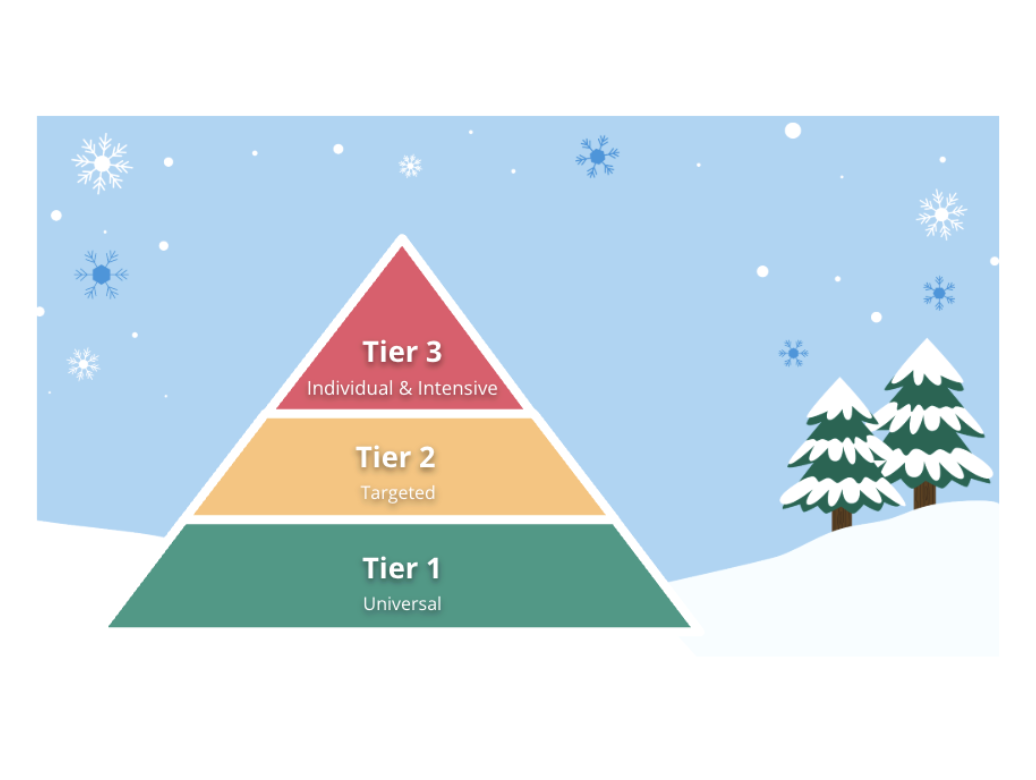
Tier 1 is the foundation of your MTSS framework, and is designed to meet the needs of 80-90% of students. When implemented with fidelity, Tier 1 prevents small challenges from escalating into larger barriers to learning.
Research consistently shows that high-quality Tier 1 instruction and behavioral expectations create a foundation of consistency across the school. According to the Center on Multi-Tiered System of Supports, effective Tier 1 includes evidence-based practices, differentiated instruction, and universal screening to identify students who may be at risk before challenges escalate.
After winter break, students are navigating a variety of transitions. Some may have experienced disrupted sleep schedules, family stressors, or isolation, while others have simply lost practice with daily school schedules. A strong Tier 1 provides the predictability and support that helps all students reorient themselves.
What to Prioritize in Your Tier 1 Relaunch
1. Reestablish Routines, Expectations and Relationships
Why it matters: Students thrive on structure and consistency. After time away, they not only need explicit reminders about expectations, procedures, and norms—but also about how they belong, and how much their teachers care about their well-being and success.
What to do:
- Dedicate the first week to reteaching classroom and school-wide expectations
- Model behavioral norms and practice transitions, hallway behavior, and classroom procedures
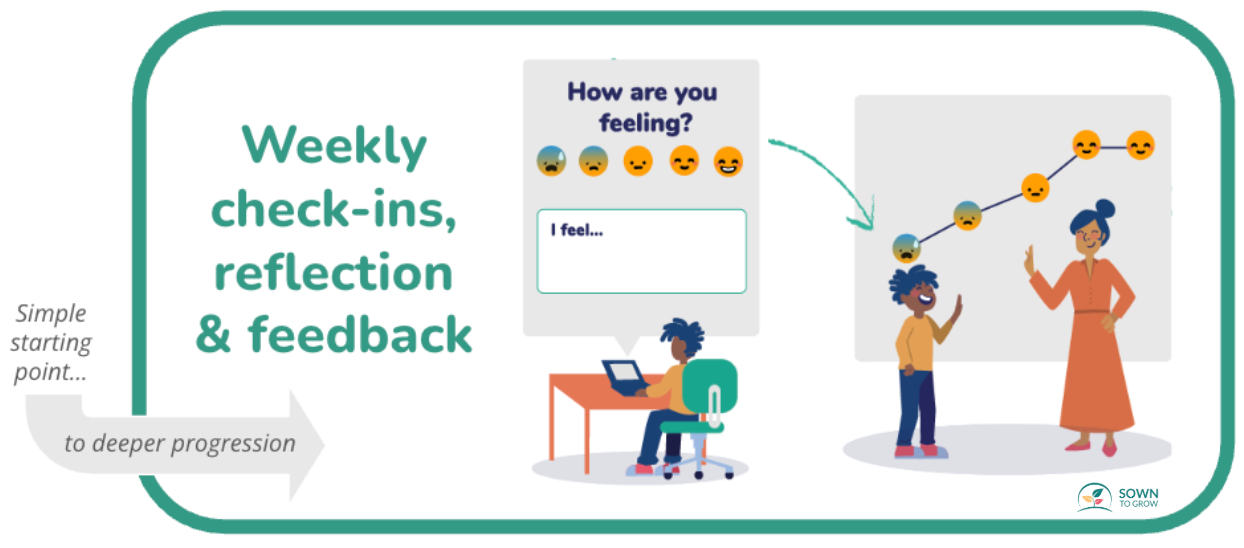
- Reinforce connections and relationships with morning meetings, advisory periods, or brief check-ins, like those done through Sown To Grow.
2. Conduct Universal Check-Ins Early
Why it matters: Universal screening is a cornerstone of MTSS. Regular assessments help identify students who may need additional support—whether academic, behavioral, or social-emotional—before needs escalate.
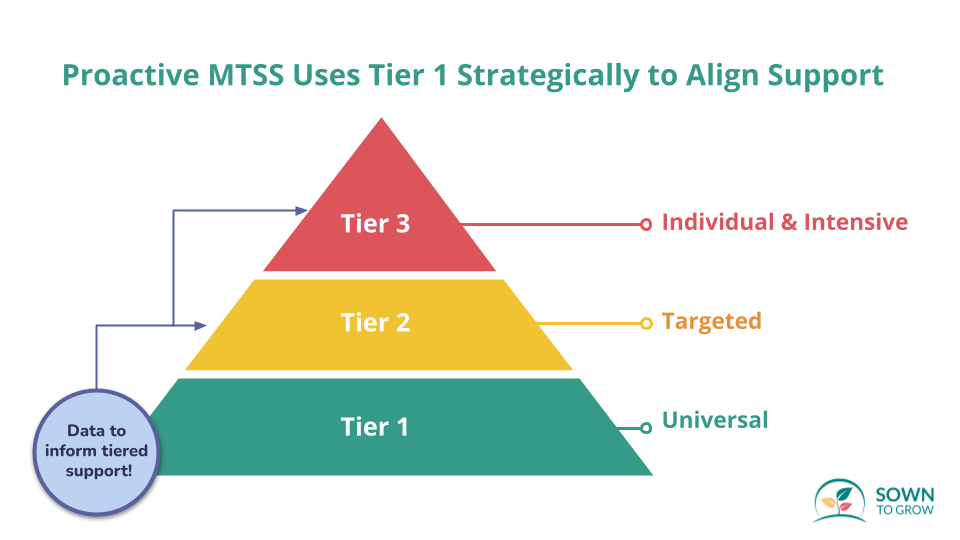
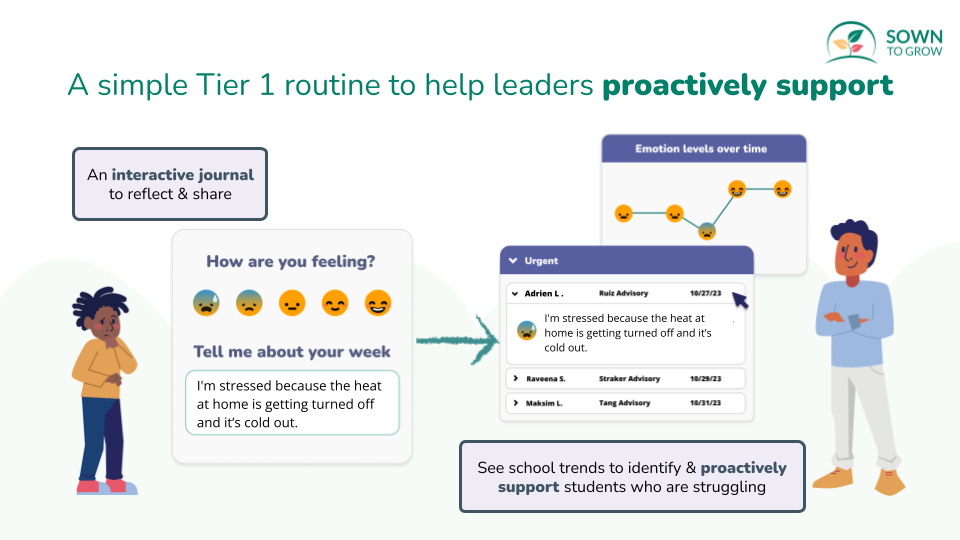
If it isn’t already being done routinely in classrooms across the school, post-break is an ideal time to pulse-check your students. It’s crucial to understand who's struggling to reengage, who's showing signs of stress, and who's ready to move forward. Data-driven decision-making is essential to MTSS, and check-ins provide the insights you need to act proactively. Here’s an example of how Sown To Grow captures and conveys data points like these to teachers and leaders.
What to do:
- Implement brief, universal check-in surveys or tools within the first two weeks back
- Focus on questions around well-being, connectedness, and academic confidence
- Use the data to identify patterns and individual students who may benefit from Tier 2 or Tier 3 supports
Tip: A universal check-in tool like Sown To Grow makes it simple to gather real-time data from every student while providing clear, targeted pathways to Tier 2 and Tier 3 interventions. When you have visibility into how students are feeling and where they need support, you can respond quickly and intentionally.
3. Rebuild Relationships
Why it matters: Although the traditional objective of school has always been to learn academic content, most teachers and education leaders today would agree that learning itself cannot happen without personal connections. For years, research has proven how strong student-teacher relationships significantly improve educational achievement and engagement. Building these bonds doesn’t happen overnight, but here are a few simple strategies for getting started.
What to do:
- Prioritize one-on-one connection time with students, especially those you know may have struggled over break.
- Try the "2x10 Strategy": spend 2 minutes per day for 10 days in a row talking with a student about anything they want to discuss
- Create opportunities for community-building activities: class meetings, icebreakers, or collaborative projects
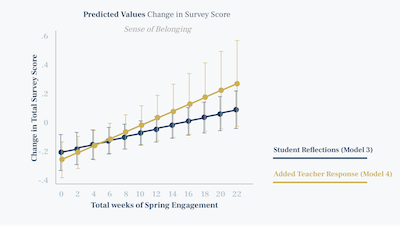
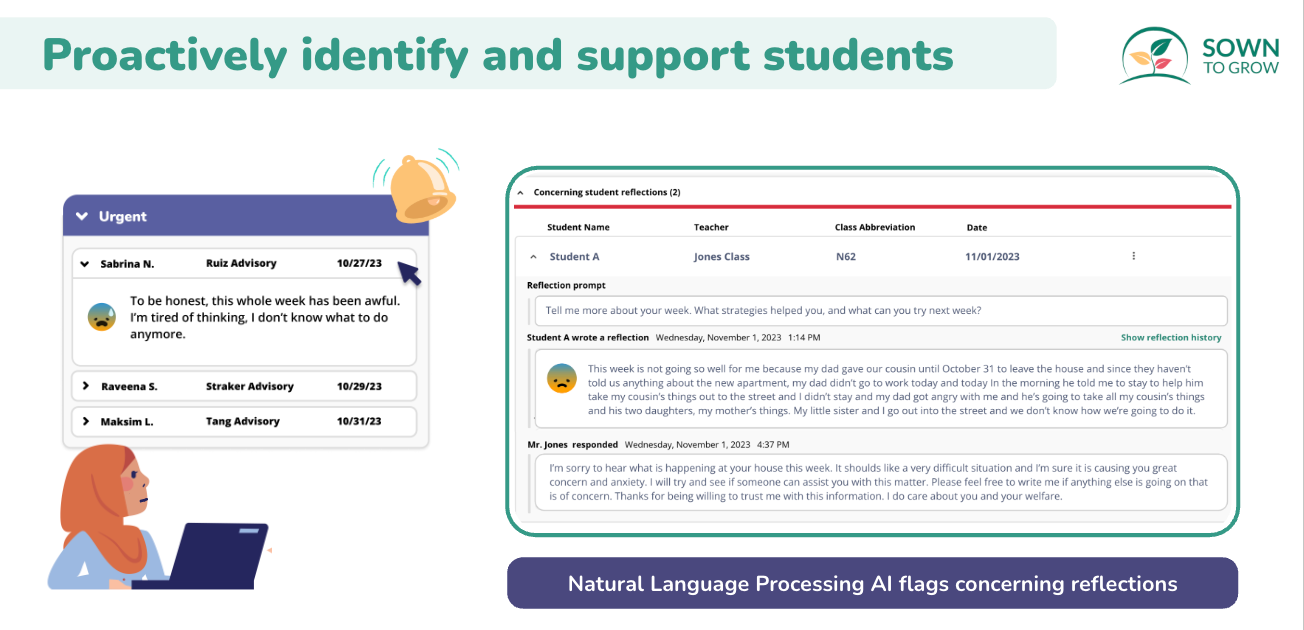
With the ability to reply to student reflections directly in the platform, Sown To Grow makes several of these relationship-building practices easier, faster, and oftentimes, more comfortable and discreet. Watch our demo to learn more.
4. Use Small-Group Differentiation Within Tier 1
Why it matters: As already mentioned, not all students return to school at the same place. Some need reteaching, others need enrichment. Research shows that students grouped based on academic needs experience improved performance outcomes—and the same could be said for social and/or emotional needs as well.
Rather than defaulting to whole-group instruction or intervention, use flexible grouping to differentiate within Tier 1. This approach meets diverse learners where they are while maintaining high expectations for all.
What to do:
- Use quick formative assessments to gauge where students are academically
- Create flexible, needs-based groups for targeted instruction during core learning time
- Reassess groupings regularly—students should move fluidly as their needs change
- Set appropriate but still high accommodations and expectations for those who are struggling to reacclimate to the classroom environment, with specific benchmarks to check-in, gradually remove supports, improve, and return to the full group.
Moving Students to Tier 2 and Tier 3 With Clarity
Even with strong Tier 1 supports in place, some students will need more. The key is knowing when to escalate, and having clear pathways to do so.
Tier 2 interventions are targeted, small-group supports for students who aren't yet responding to Tier 1. These might include Check-In/Check-Out (CICO) programs, guided reading groups, or social-emotional skill-building sessions.
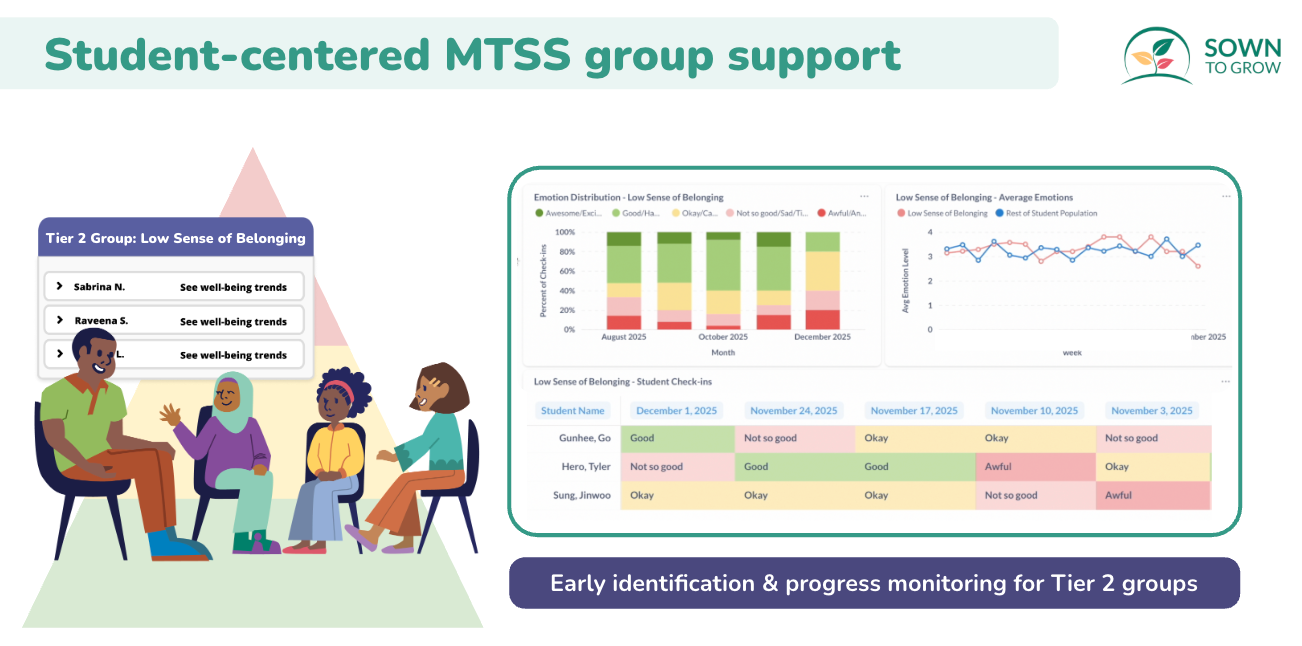
Tier 3 interventions are intensive, individualized supports for students with ongoing, complex needs. This might include one-on-one counseling, specialized academic tutoring, or behavioral intervention plans.
Your universal check-in data, combined with academic screening and teacher observations, should guide these decisions. When you have a clear picture of student needs, you can match the right level of support to the right student at the right time.
The Bottom Line: Be Proactive, Not Reactive

MTSS is designed to be preventative. The post-winter break period provides the chance to catch small challenges before they become big ones.
By reestablishing routines, conducting universal check-ins, rebuilding relationships, and differentiating instruction within Tier 1, an environment is created where all students can thrive.
Additionally, when educators have the right tools to see how students are doing—like a universal check-in that gives real-time insights and clear next steps—it’s easier to act with confidence and precision.
This moment matters. Your students are counting on you to help them transition back successfully. With strong Tier 1 supports and data-driven decision-making, you can meet them exactly where they are—and help them move forward into a successful second half of the year.
Additional Resources
- Empowering Students through Proactive MTSS: Building Systems that Help Every Student Thrive
- Center on Multi-Tiered System of Supports: Essential Components
- MTSS: Improve Tier 1 Instruction with Small Groups
Want to learn more about how Sown To Grow's universal check-in tool can support your MTSS implementation? Book a meeting to see how we help schools identify student needs early and connect them to the right supports.
.png)
.png)
.png)
.png)