What SSWAA 2026 Confirmed: School Social Workers Are Ready for What's Next

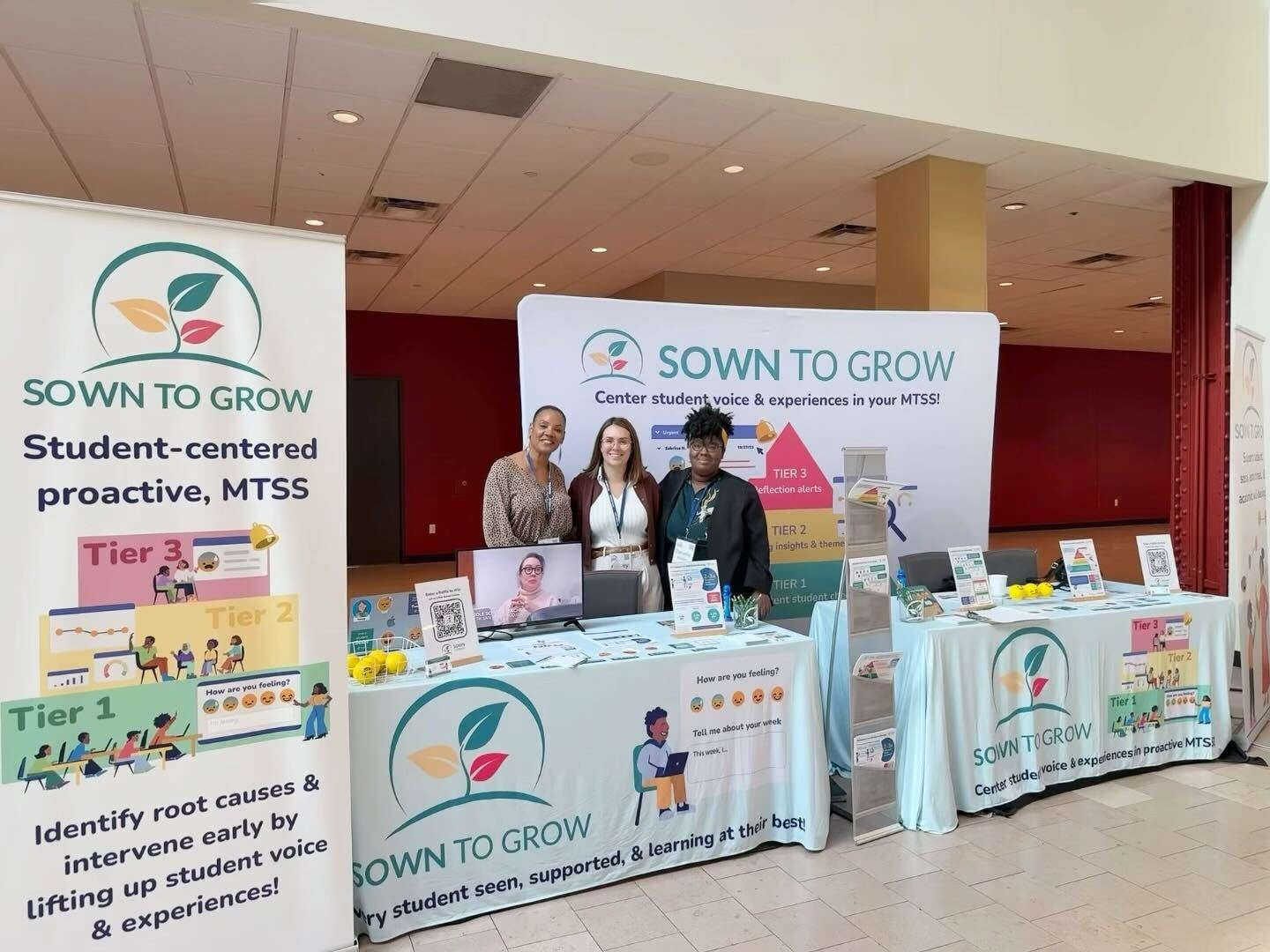
From March 24–27, the Sown To Grow team headed to St. Louis for the SSWAA National Conference. Throughout the event, we connected with hundreds of practitioners, sat in on standing-room-only sessions, and left with a renewed sense of why this community's work matters so much.
Amidst the many learnings, a single theme ran in nearly every conversation: belonging, early identification, and the urgent need for systems that don't wait until a student is already in crisis. Here's what we took away from the four-day experience:
Belonging Was Everywhere—And That's Not an Accident
If we had to name the most consistent theme of SSWAA 2026, it would be belonging. The closing keynote, Healing Systems from the Inside Out, challenged attendees to look critically at the policies and practices baked into school systems—the ones that, often inadvertently, undermine belonging before a single support conversation ever happens. It was a call to move beyond programs and toward culture.
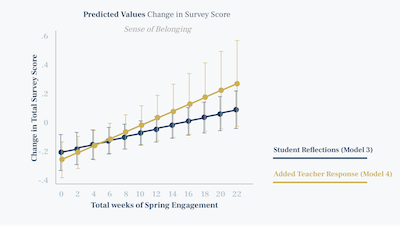
We heard this on the exhibit floor, too. Social workers carry an enormous load, and many expressed appreciation for approaches that don't rest the full weight of student support on their shoulders alone. The idea of a Tier 1 system that builds belonging school-wide—so Tier 2 and 3 interventions can be more focused and effective—resonated deeply, whether MTSS was familiar territory or something newer.
Learn more about Sown To Grow for MTSS →
Chronic Absenteeism: The Gap Between Identification and Early Action
One of the most packed sessions focused on chronic absenteeism. Presenters from Cobb County, Georgia walked through their district's approach to understanding root causes—looking at attendance alongside performance, engagement, and behavior data to connect students and families to the right resources. It was a thoughtful system, and the full room signaled this is a growing priority for social workers nationwide.
An interesting detail that caught our attention is how Cobb County's formal outreach doesn't begin until after a student has missed three or more days. Reasonable—but it leaves a window where earlier signals can go unnoticed. Attendance is often a downstream symptom. The real opportunity is in catching upstream warning signs early, when intervention can be lighter-touch and more preventative.
This is where Sown To Grow fits in: routine check-ins that surface how students are feeling about school, their sense of belonging, and what's getting in the way—giving teams the early data they need to act before a student falls off track.
Learn more about how Sown To Grow supports attendance and early identification →
AI in Social Work: Opportunity and Responsibility
A session on AI drew one of the most engaged audiences of the conference, as practitioners are actively grappling with how it fits into their work. A few key takeaways: students are already using AI, not always in healthy ways, so social workers need strategies to identify and address that. And when used responsibly—with district-vetted tools, no student PII, and professional review of any output—AI can be genuinely useful for planning and ideation.
Although the session didn't address this explicitly enough, AI in K-12 education should always be in service of human connection, never a substitute for it. As we believe at Sown To Grow, technology can help a social worker prepare and prioritize. But the relationship itself—the trust, the empathy, the care—has to stay human.
Learn more about “How and Why We Use AI at Sown To Grow (25-26 Edition)” →
A Keynote That Stayed With Us
The opening keynote, Perspectives in Prevention, was facilitated by the mother of a Sandy Hook victim. What made it especially powerful was her choice to center the story of the student who carried out the attack—tracing early warning signs and unmet needs from kindergarten through adolescence, and the missed opportunities along the way.
From a Sown To Grow lens, it was a profound reminder of why early identification and student voice aren't optional. The question she left us with—had this student had a consistent way to check in, to build relationships and feel seen, how might the story have been different?—is one we're carrying forward.
Looking Ahead
SSWAA 2026 confirmed what we already believe: the window between a student beginning to struggle and a student reaching crisis is where the most important work happens. Social workers know this. They're eager for and deserving of better systems, clearer data, and approaches that reinforce belonging across the whole school. With this framework, their intensive support can land where it's truly needed most.
That's the work Sown To Grow is built for. And we're glad to be doing it alongside this community.
---
Curious how Sown To Grow supports school social workers and student support teams? Let's talk → Click to book a meeting.
.png)
.png)
.png)
.png)
.png)