Why Student Check-Ins Matter Most After Breaks—and How to Implement With Minimal Work

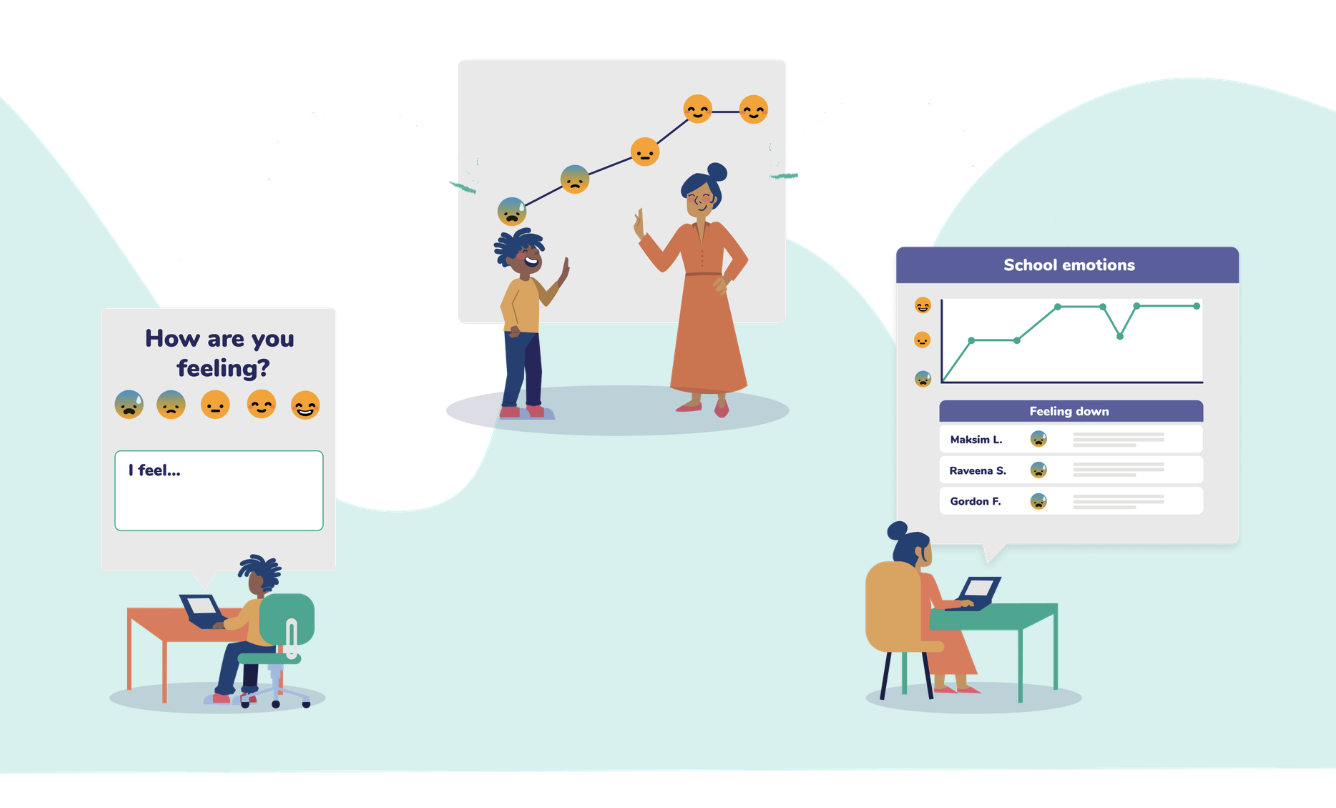
The first weeks back from winter break are behind you now. Students have mostly readjusted to school routines. The initial chaos has settled into something resembling normalcy.
But beneath the surface calm, many students are still carrying invisible weight from the break—and from the reality that we're now halfway through the school year.
Some students returned energized and ready to learn. Others are still processing difficult family situations, friend conflicts, or the stark contrast between the warmth of home and the reality of school. A few are wrestling with experiences they don't yet have words for.
This is one of the times when weekly check-ins truly matter.
The Hidden Reset That Happens During Long Breaks

Extended breaks disrupt more than just academic momentum. When students leave for two or more weeks, the carefully built routines, relationships, and sense of safety that took months to establish can feel suddenly distant.
You've already done the work of reestablishing those routines—the procedures, the expectations, the behavioral norms. But while we're busy getting students back on track academically, we can't forget the emotional reorientation that continues to happen well into January and beyond.
The reality is this: Every student's winter break looked different. Some experienced joy, connection, and rest. Others faced food insecurity, family stress, or unsafe living situations. Some had too much unstructured time, while others never got a moment of peace.
And now, weeks later, they're all expected to hit their stride for the second half of the year.
Why the Second Semester Window Is Critical

We're now firmly in the second half of the school year—a strategic moment to reset student support practices and build momentum through June. Here's why:
Students need sustained stability. The initial post-break adjustment is over, but students—especially those from chaotic home environments—still need consistent, caring adults who notice them and create predictable spaces for connection.
The novelty has worn off. The "fresh start" feeling of January fades quickly. This is when issues that simmered during break, or new challenges that emerged since, start affecting academic and behavioral performance. Regular check-ins help identify students who need support before struggles escalate.
It builds trust for the long haul. When students see that their school community genuinely cares about their wellbeing throughout the entire year—not just during crises or at the semester start—they're more likely to seek help when they need it. Consistent check-ins send a powerful message: We're here, we're paying attention, and you matter.
The Power of Weekly (Not Just Post-Break) Check-Ins
Here's the thing: sporadic emotional check-ins aren't enough. What students need most is consistency.
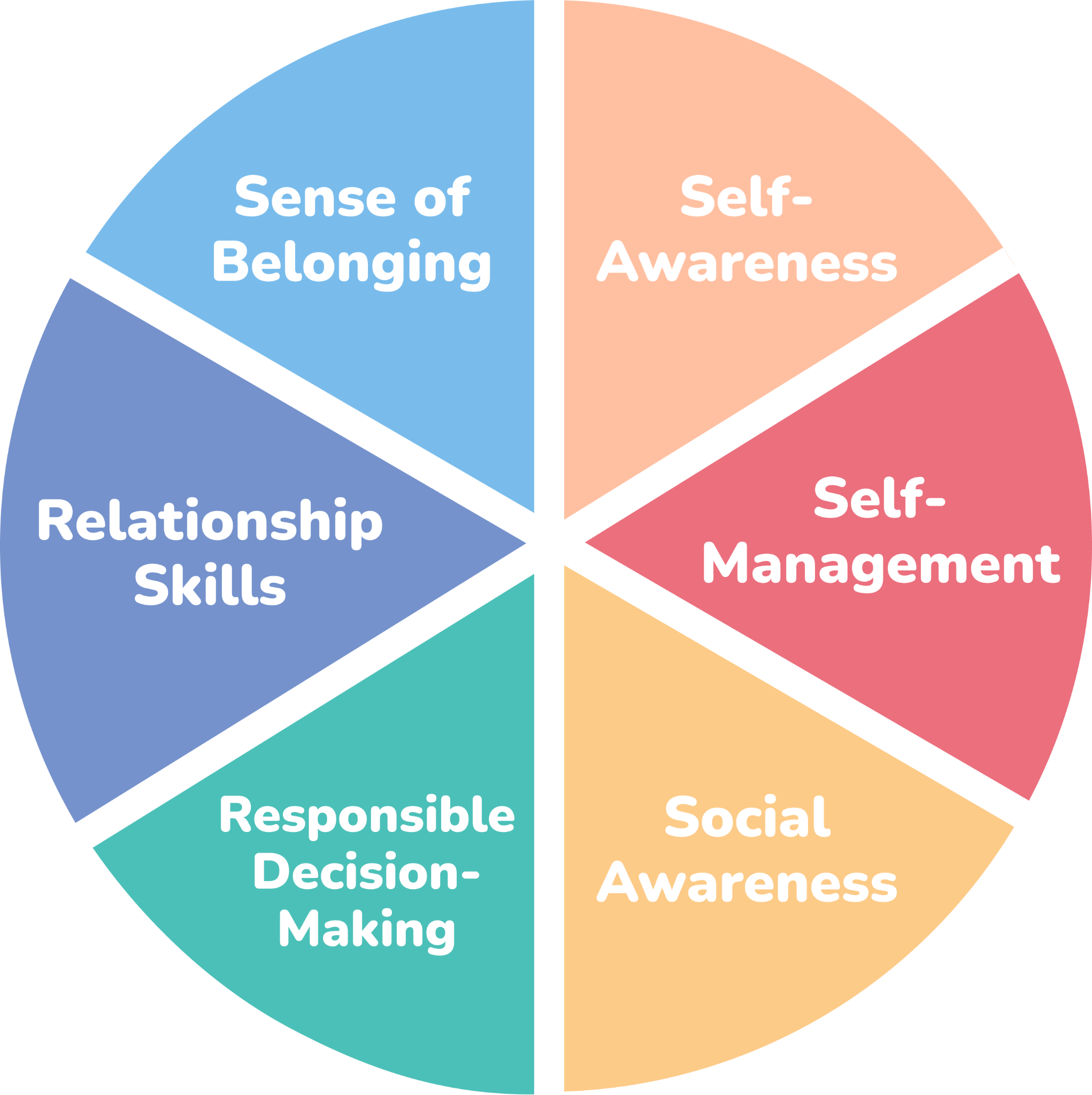
Weekly check-ins establish ongoing rhythms of self-reflection, self-awareness, and help-seeking that become foundational mental health practices. When implemented as a Tier 1 universal support, they normalize talking about emotions, asking for help, and recognizing when something feels off.
This isn't just good for crisis prevention. It's good for development. According to CASEL research involving over 500 studies and approximately one million students, SEL interventions that addressed core competencies including self-awareness increased students' academic performance by 11 percentile points compared to students who didn't participate. Students who regularly reflect on their emotional states build crucial skills: identifying feelings, recognizing patterns, and understanding what supports work for them.
What Effective Weekly Check-Ins Look Like
The best check-in systems share three characteristics:
- Low-lift for educators: Teachers can't add another time-consuming task to their plates. Effective tools take minutes, not class periods.
- Actionable data: Check-ins should surface which students need support and what kind—without requiring staff to manually sift through responses.
- Student-centered: The questions matter. They should invite honest reflection without feeling invasive or performative.
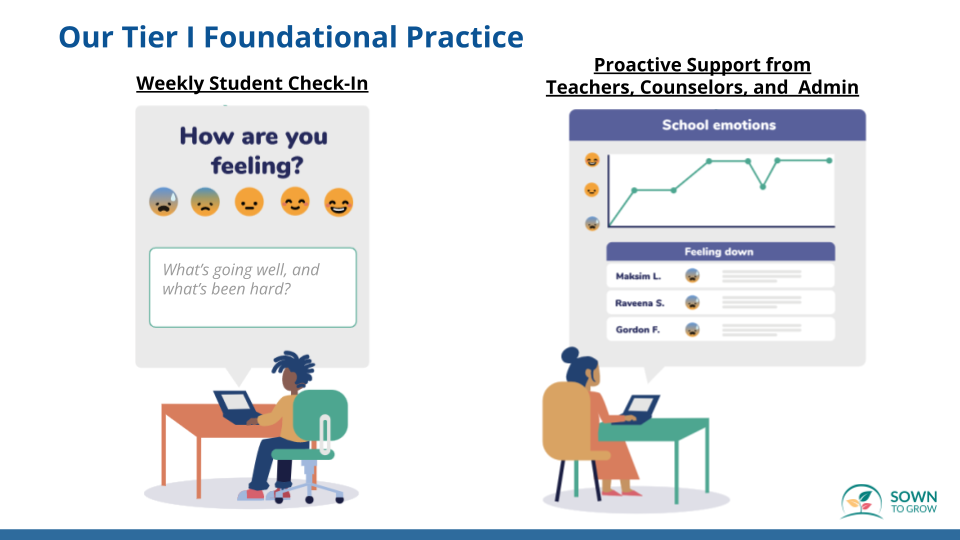
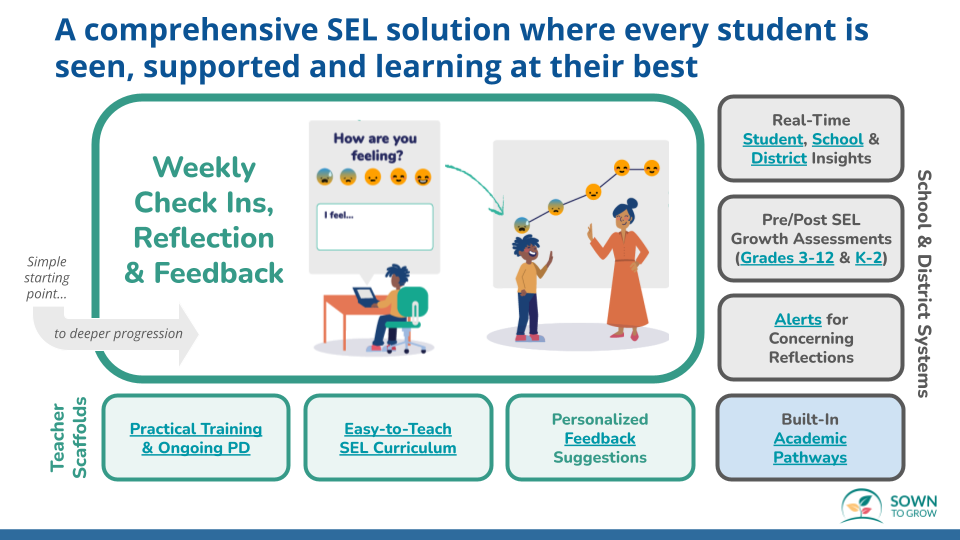
At Sown To Grow, our weekly check-in tool was designed specifically with these principles in mind—helping schools maintain consistent pulse-checks on student wellbeing that feed directly into MTSS frameworks, without overwhelming staff or students.
Making It Sustainable (Without Adding Work)
The biggest objection to weekly check-ins is always: "We don't have time for this."
Fair. You don't have time for things that don't work or create more work.
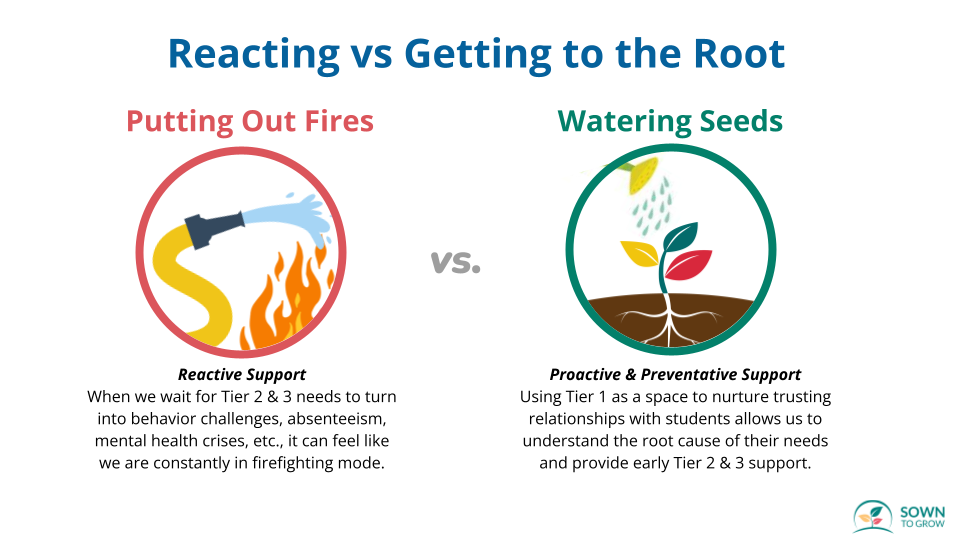
But here's what you can't afford: missing early warning signs. Waiting until students are in crisis. Spending the spring semester playing catch-up with students who needed support back in January.
The key is choosing the right system. Look for platforms that:
- Integrate into existing routines (morning meetings, advisory periods)
- Provide clear, prioritized follow-up recommendations
- Track trends over time without manual data entry
- Connect seamlessly with your existing MTSS or student support structures
When done right, weekly check-ins don't add work—they make your existing student support efforts more efficient and effective.
Start Now for a Stronger Second Semester

We're weeks into the second semester now. Patterns are emerging. Student needs are becoming clearer.
This is your moment to be proactive rather than reactive.
Establishing weekly check-ins now sets the foundation for the rest of the school year. It tells students that this school community sees them, values them, and will consistently create space for them to be honest about how they're really doing.
It also establishes the foundation for healthier, more self-aware students who know they're not alone—and that asking for help is not just okay, it's expected.
Don't wait until the next crisis to wish you had better systems in place.
Start checking in now.
---
Ready to implement weekly check-ins without the heavy lift? Learn how Sown To Grow's platform helps schools maintain consistent, actionable student wellness data that feeds directly into your MTSS framework.
.png)
.png)
.png)
.png)
.png)