The Back-to-School Belonging Strategy Schools Can't Afford to Skip

The first weeks of school are a blur of bell schedules, bus routes, rosters, and orientation slides. You've planned for almost everything.
But here's the question that shapes the rest of your year: how will you know how your students are actually doing—before the data tells you?

By the time chronic absenteeism shows up in your attendance dashboard, or a behavior referral lands on a counselor's desk, the disconnection started weeks earlier. Usually quietly. Usually with a student who was flying under the radar.
The strategy that gets ahead of it is simpler than most leaders expect: a weekly emotional check-in for every student, starting week one.
Belonging Isn't Soft. It's a Leading Indicator.
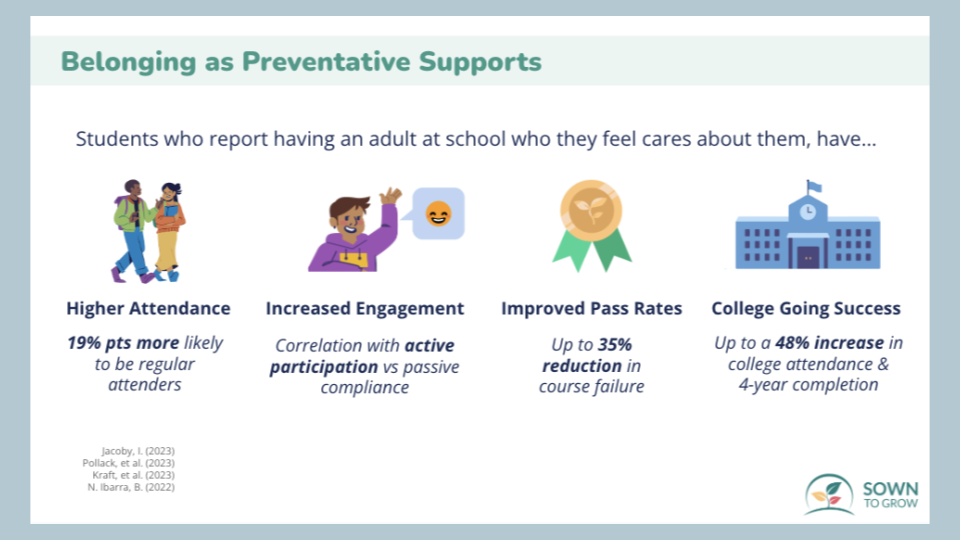
The CDC is crystal clear on school connectedness: students' belief that adults and peers at school care about them, their success, and their well-being is a protective factor. Students who feel more connected to school have better attendance, higher grades and test scores, are more likely to graduate, and are less likely to experience emotional distress.
Read that list again. Attendance. Grades. Graduation. Mental health.
Those are the exact outcomes in your district's strategic plan. And belonging is upstream of all of them.
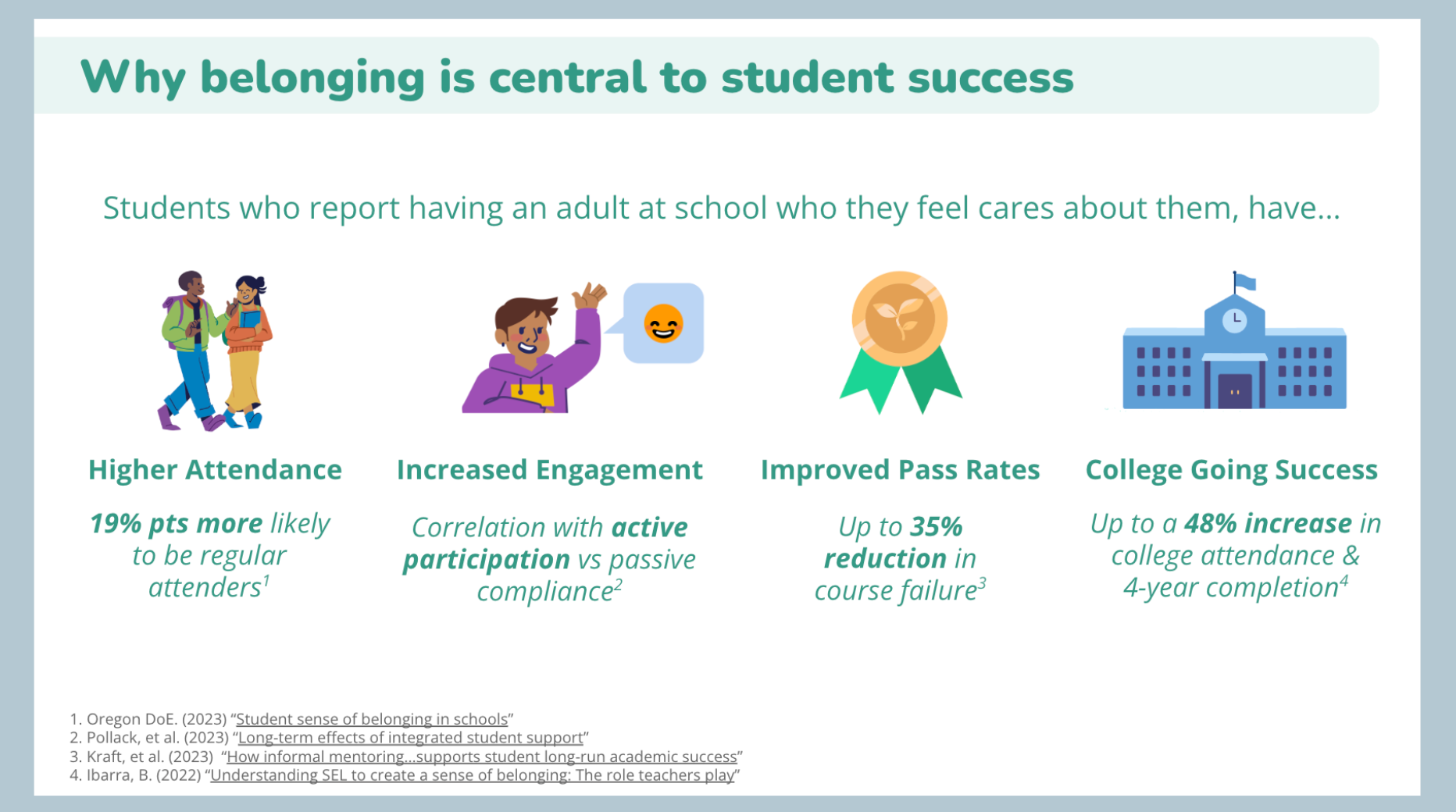
That's why belonging can't be a fall kickoff assembly or a September climate survey. It has to be a structured routine across the school.
Why Weekly Beats Occasional
A once-a-year screener tells you where students were in October. A weekly check-in tells you where they are now.

According to an Edutopia piece, check-ins capture why the practice works on both sides of the desk. They help teachers understand what students need, and in turn, "students feel greater emotional safety when they know they can be seen and heard" as people, not just pupils.
The research base backs the frequency, too. A federally funded literature review from IDRA on student social and emotional needs lists a foundational connectedness strategy plainly: ensure there is "at least one trusted adult each student connects with for check-ins."
Each student. Not just the ones already on a watchlist.
A weekly rhythm is what turns that from an aspiration into a system. It normalizes naming emotions and asking for help. It builds the trust that makes a student willing to tell you something is wrong—in October, not after a two-week absence in February.
What Changes When Students Are Asked
Students tell us what's happening when we create a real space for it.
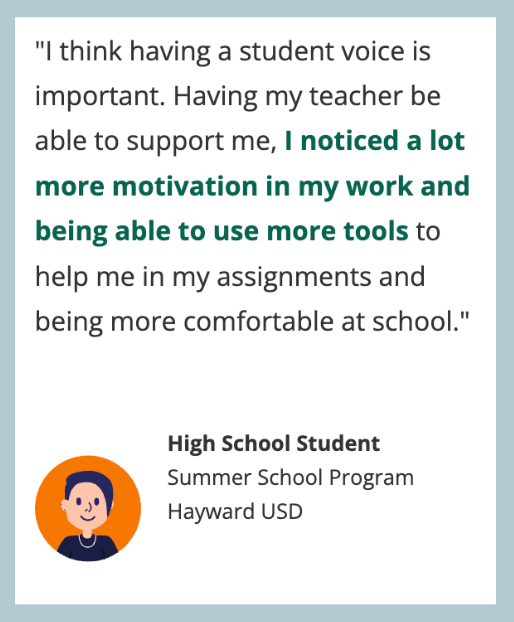
One Hayward Unified high schooler told Sown To Grow that having their teacher better understand them changed their effort: "I noticed a lot more motivation in my work."
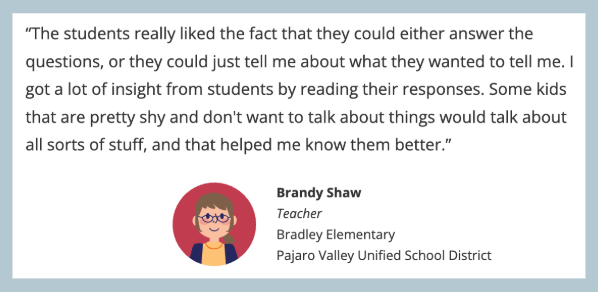
Teachers see it too. Brandy Shaw, a teacher at Bradley Elementary in Pajaro Valley USD, described what the weekly check-in surfaced in her classroom: "I got a lot of insight from students by reading their responses." Quiet students, she noted, opened up in writing in ways they never did out loud.
That's the shift—from monitoring students to inviting them in. And the outcomes follow. In one large district partner, students who reported a low sense of belonging at the start of the year showed a 19% increase in reported happiness as they engaged in weekly check-ins across the year.
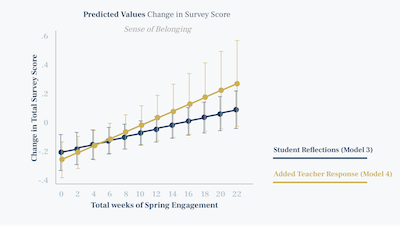
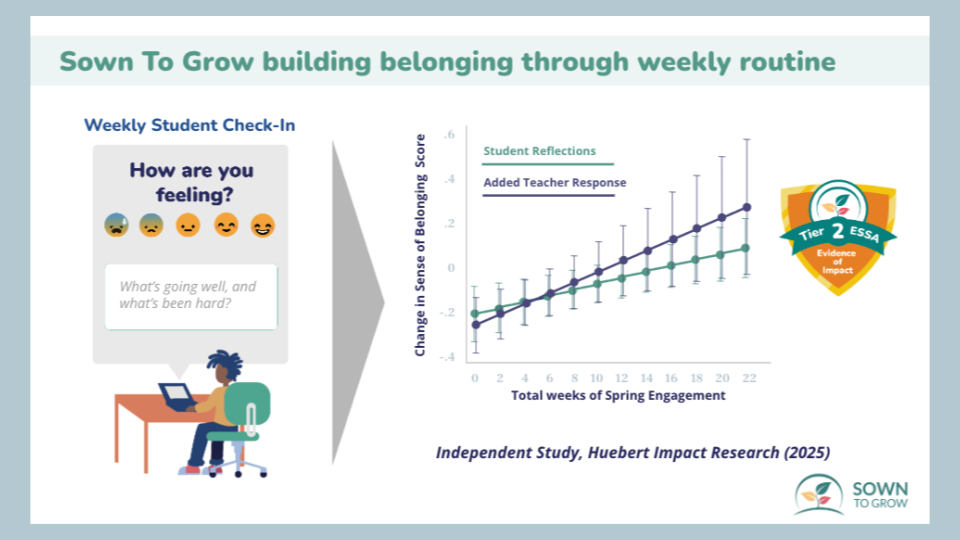
Independent research (Huebert, 2025) found consistent check-ins correlated with measurable growth in students' self-reported sense of belonging—with the strongest gains where teachers responded to what students shared.
Making It Real in the First Weeks
Every leader we talk to raises the same objection: we don't have time to add one more thing.
Fair. So don't add a thing—build a routine that makes your existing supports work better. The check-ins that stick are:
- Low-lift. Three to five minutes, once a week, inside a structure you already have—advisory, morning meeting, first period.
- Actionable. Responses should surface who needs support and what kind, in real time, without staff manually reading thousands of entries.
- Connected to your system. Check-in data should feed your MTSS Tier 1, attendance team, and COST referrals—not sit in a separate silo.


Whether you’re using Sown To Grow or another system that works for your school or district, start as soon as you can, while relationships are forming and habits are still developing. By the time you'd otherwise notice a problem, you'll already have months of trust to draw on.
That's the difference between firefighting and prevention.
---
🌱 See how weekly check-ins can strengthen belonging and attendance in your school this year. Meet with our team or explore our Attendance Impact strategy.
.png)
.png)
.png)
.png)
.png)