Before the Referral: What CA PBIS 2026 Taught Us About Student Belonging, Voice, and Early Support
Discipline data tells us what happened. Student voice tells us why. The CA PBIS 2026 conference emphasized TFI 3.0 and shifted the focus from just setting behavioral expectations to creating cultures responsive to what students actually experience. Positive behavior grows from belonging, and the best time to support a student is before a small need becomes a crisis. Here are four themes that stood out to us from CA PBIS, with linked resources a practical step you can take.
Hello Is a Tier 1 Intervention
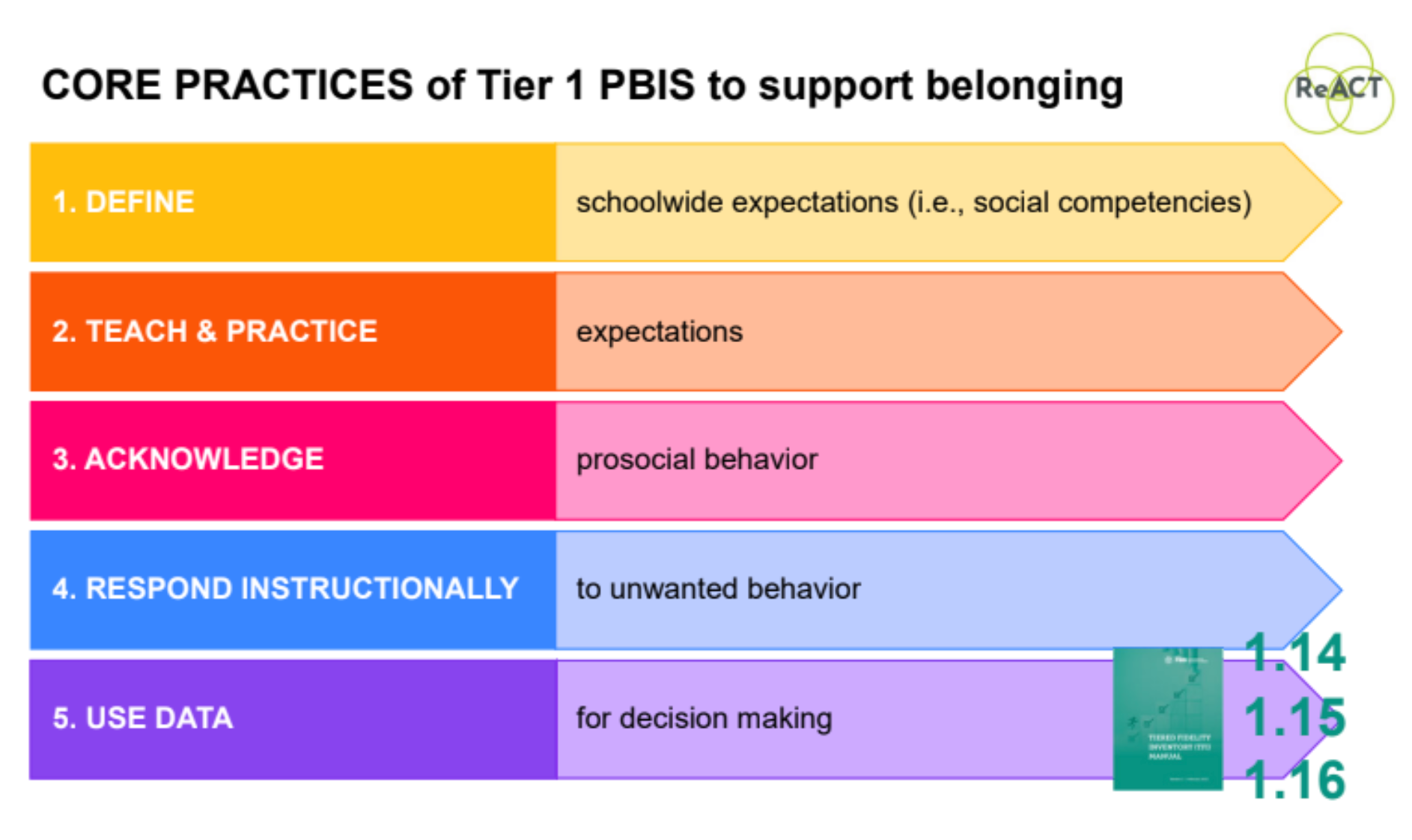
In his keynote, Staying Positive in Hard Times, Dr. Kent McIntosh of the University of Oregon showed how core PBIS practices can be adapted to build belonging. His examples were refreshingly simple: positive greetings that show every student you're glad they're here, co-creating classroom norms that help students understand the “why” behind rules, and a "personal matrix" that connects schoolwide expectations to home and friendships. He opened with a breathing practice, a reminder that regulated adults make consistent PBIS possible.
Try this: For the next two weeks, greet every student by name at the door and keep a quick checklist of who you reached. The names you keep missing are often the students who need the welcome most.
Students at the Design Table
In Beyond Compliance, El Toro High School, Saddleback Valley USD, and the Orange County Department of Education used Hart's Ladder of participation to move PBIS from adult-led toward student-led. El Toro's student PBIS PALs now help create reteach videos and design recognition that students value. The school closes the loop with a simple cycle: we asked, you told us, we changed. The team also showed how PBIS data can double as WASC evidence by building a "data story" that connects belonging and engagement with attendance, behavior, and academics. This idea was reinforced in a session on Building Systems With Them, Not For Them.
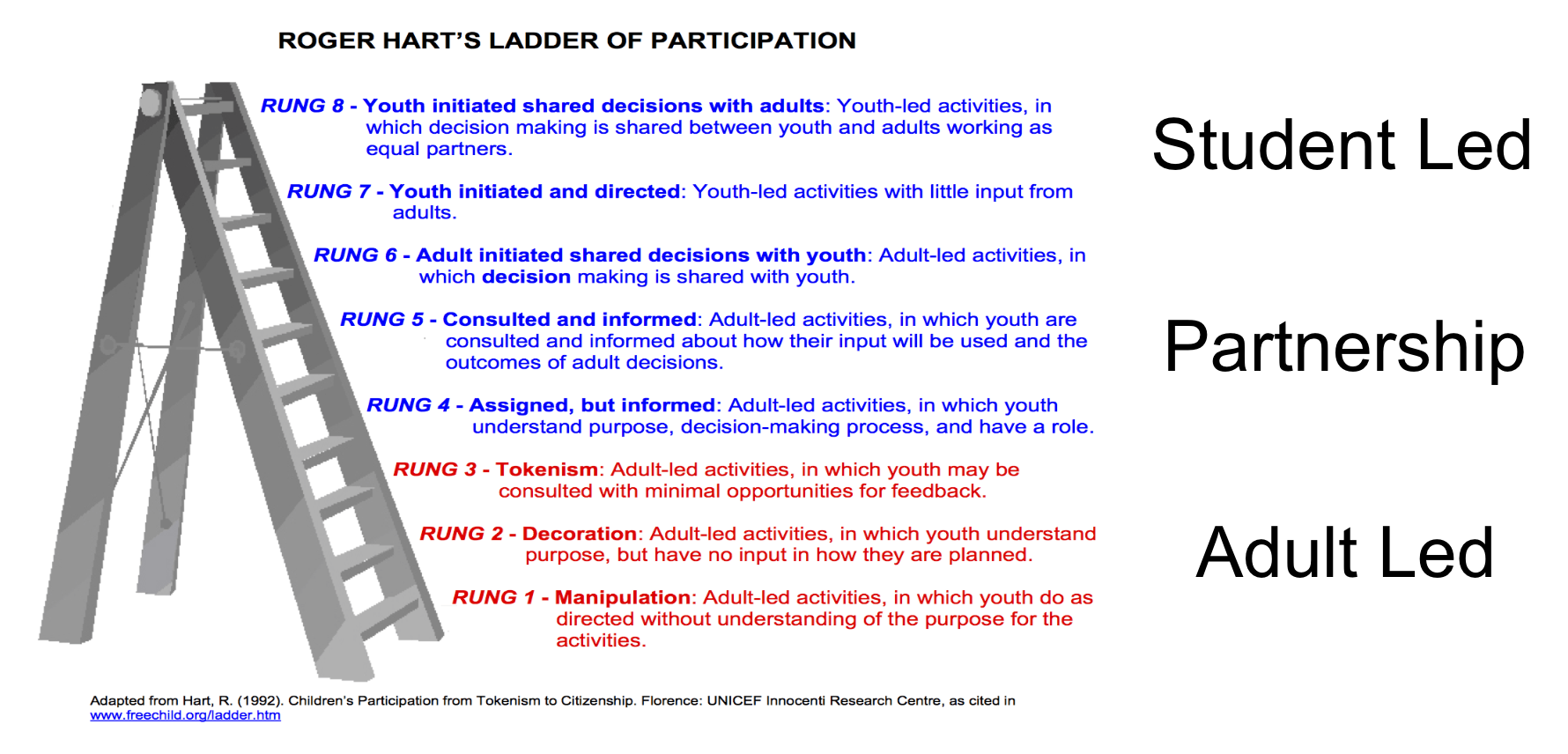
Try this: Find one place where students are only "consulted" today and move it one rung up the ladder. Then tell them what changed because of their input.
Finding the Quiet Ones
High-Impact Tier 2 Small Groups, led by Karina Siwecki of OCDE's School Counseling Services, challenged counselors to stop identifying students based on "teacher says" or "student seems." Entry criteria should draw on multiple sources, including universal screening and student self-referral, paired with a regular equity check: Who gets referred most often? Who gets overlooked? Screening sessions named the stakes: students who are struggling quietly may never appear in discipline data at all. This was reinforced in the session on Implementation of SEB Screening in CA.
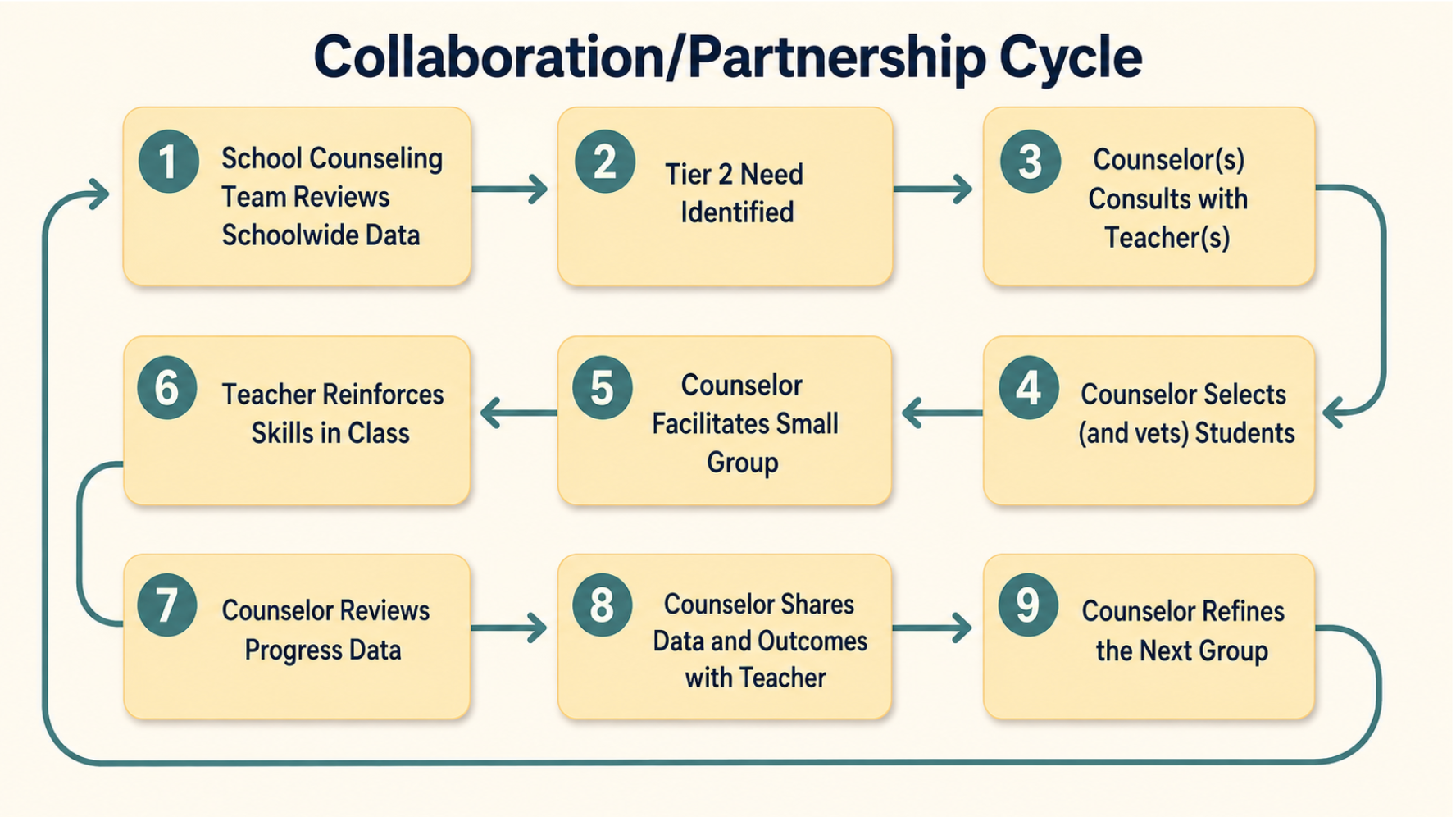
Try this: Pull last semester's Tier 2 referrals and compare who was referred against who reported struggling (do you have a way to identify this student-led data?). The gap is where your system needs a new door.
One Systems, Support for Every Student
Tiered support promises needs-based support for every student, yet referral pathways often sort students by label first: one route for IEPs, another for 504s, and sometimes no clear route for a struggling general education student. In One System, Every Student, Auburn Union School District and the Placer County SELPA used process mapping to make those pathways visible, then redesigned them. Focusing on a strong tier 1 to avoid a system overload, clarifying roles & goals within the system, and streamlined referrals into a connected process, so support follows the need, not the category. This systems-based approach was reinforced in The Trauma & SEL Connection to Behavior.
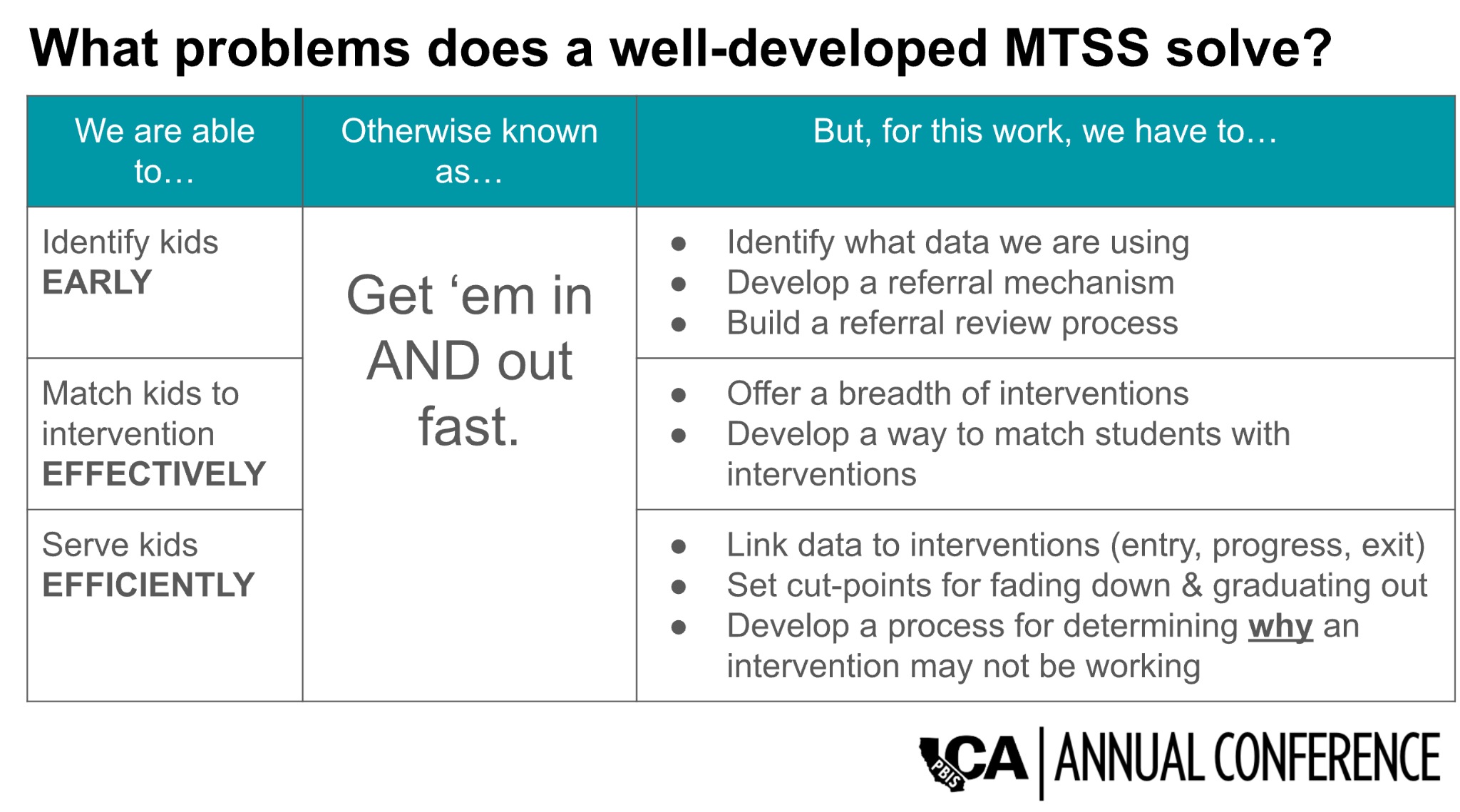
Try this: Map where a behavior referral and a mental health referral go at your school. If they lead to two separate teams that rarely talk, start there.
The Common Thread: A Reliable Way to Listen
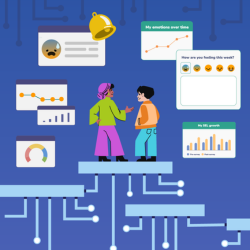
Each of these themes asks for the same thing: a consistent, low-lift way to hear from every student, and the systems to act on what they share. That is what Sown To Grow is built for. Our weekly check-in takes about five minutes, gives every student a caring adult who responds personally, and flags needs for counselors and MTSS teams before they escalate. Our CASEL-aligned, trauma-informed curriculum builds the skills behind positive behavior, and in California, both can qualify for CYBHI Fee Schedule reimbursement when delivered by qualifying professionals.
The Bulldog Way: How a PBIS Gold School Listens Below the Surface
Our own session, Proactive Belonging, Positive Behavior, brought these threads together. Rupa Gupta, Sown To Grow's CEO and Co-Founder, co-presented with Lisa Aguerria, Principal of Luigi Aprea Elementary, a PBIS Gold school in Gilroy Unified.
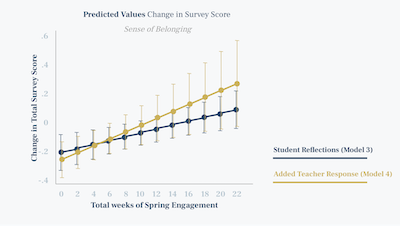
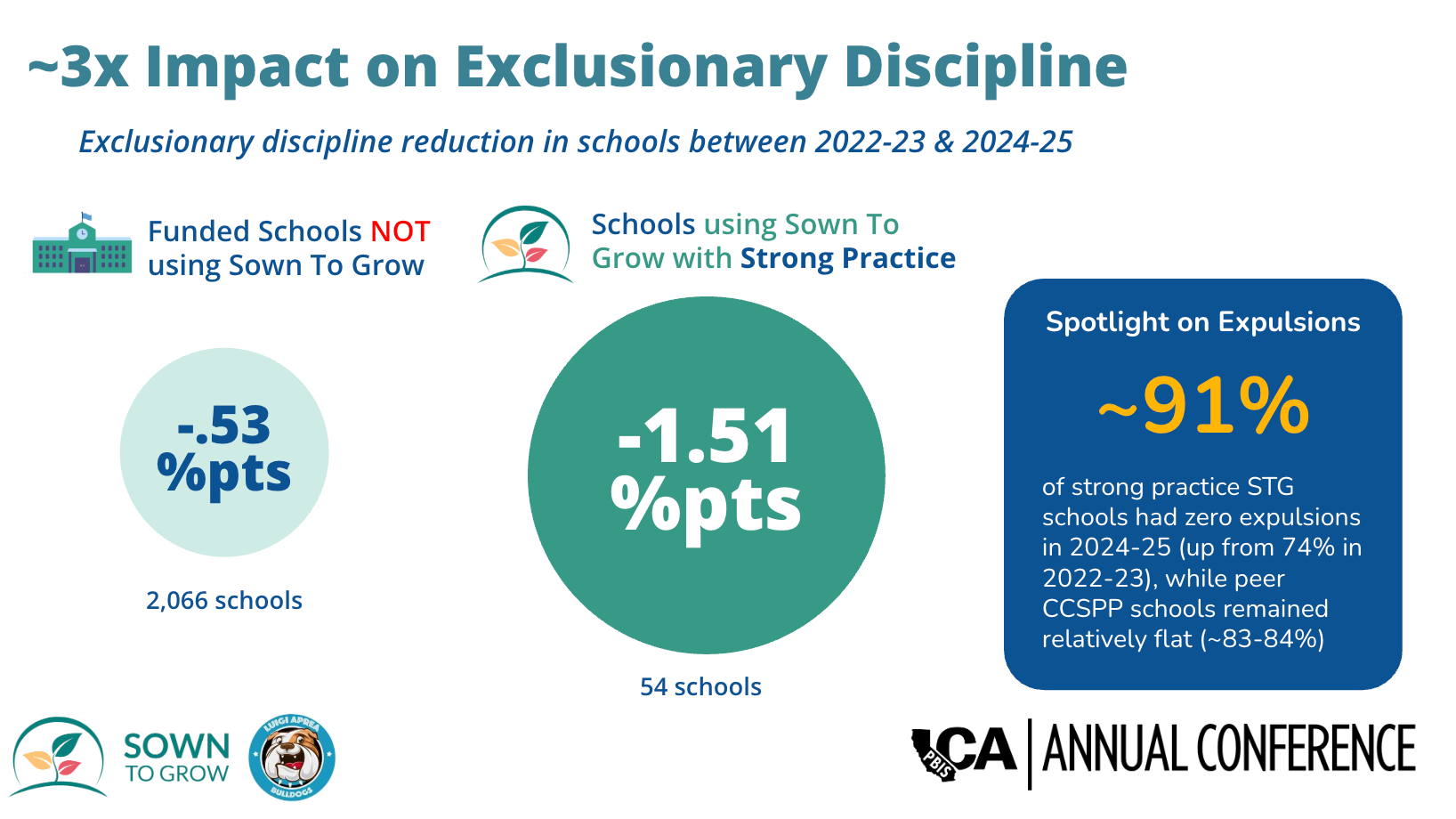
Rupa began by reframing how we think about addressing student behavior. Behavior, attendance, and performance are only what we can see. Beneath them sit students' needs, well-being, and sense of belonging. New research on California community schools showed what happens when schools work below that surface. Schools using Sown To Grow with strong practice reduced exclusionary discipline about three times as much as peer schools between 2022–23 and 2024–25, and roughly 91% had zero expulsions in 2024–25, up from 74%, while peer schools held flat.
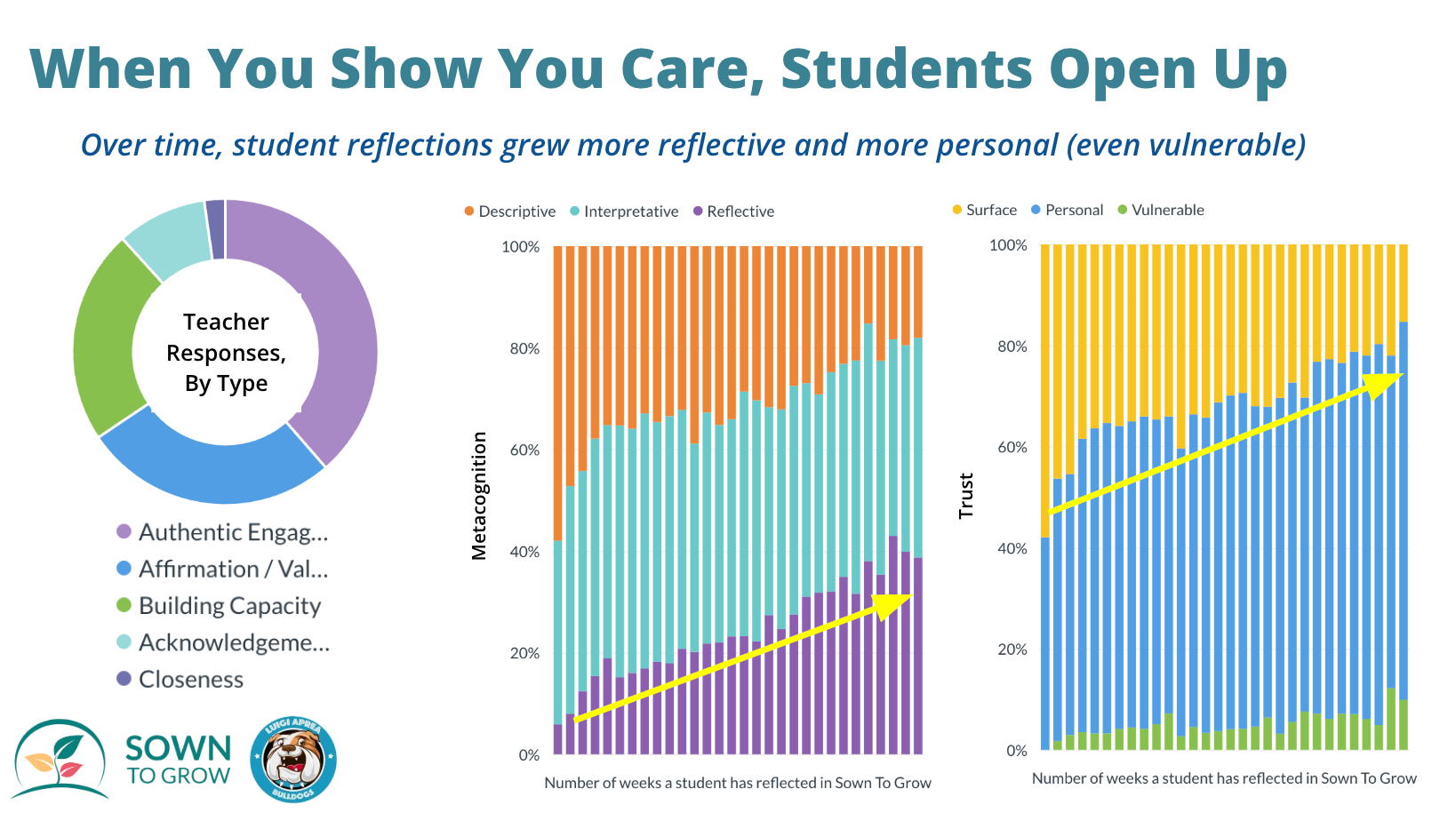
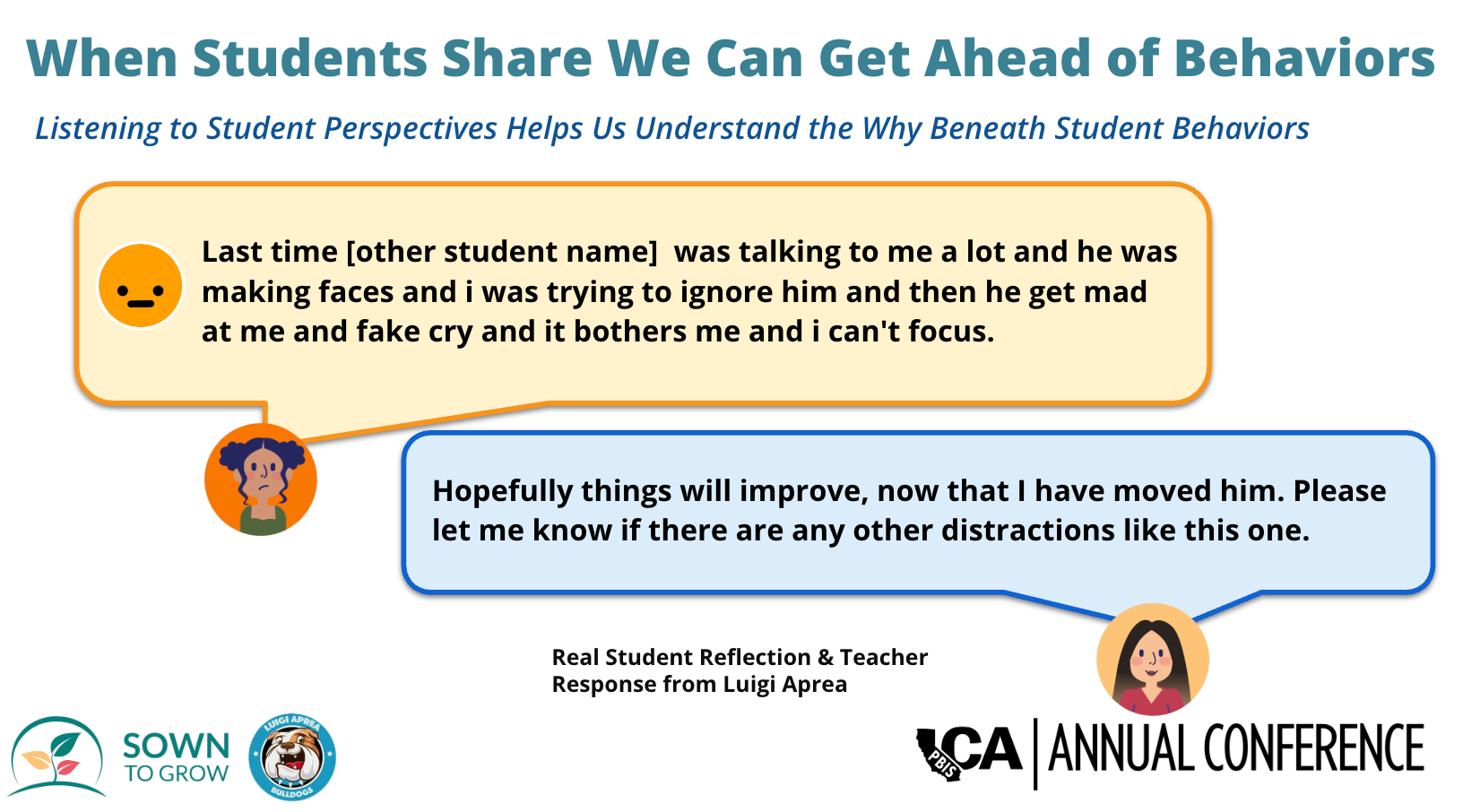
Lisa then showed what this looks like at a 716-student TK–5 campus. Luigi Aprea's foundation is the Bulldog Way: safe, respectful, responsible, and kind, reinforced with shared language, chants, assemblies, and PBIS rewards. A strong Tier 1 frees up capacity for Tier 2 and 3. The weekly check-in adds a consistent space for students to share, and over the year, reflections grew more personal. In one, a student explained that a classmate's teasing made it hard to focus. The teacher moved seats and invited the student to flag anything else, getting ahead of a behavior issue before it started.
“Just this week, I got an alert about a student who was very angry because his parents had gotten into a big fight the night before. In that moment, before he could take his anger out on another student or the teacher, we were able to pull him aside and ask, ‘Would you like to see a counselor?’ He said yes, and we got him there.”
Lisa's advice for making it stick: protect time for teacher responses during the weekly staff meeting, share data in staff meetings and School Site Council, and bring student flags into bi-weekly MTSS meetings and IEP conversations. Veteran teachers told her they had never felt more connected to their students, especially the quiet ones who are easy to miss.
Ready to hear from every student before behavior speaks for them? Book a meeting with our team!