Lifting the Load: How Teacher Self-Care and Student Connection Support Each Other

Schools are facing a real challenge: students need meaningful relationships and connection, yet educators are already stretched thin. While conversations about student well-being often focus on what students need from adults, supporting students also means recognizing the well-being of the teachers who show up for them every day.
Educators are being asked to do more than support academic growth. They’re also expected to recognize when students are struggling, understand whether they feel connected and supported, and respond to the challenges that can affect their readiness to learn.
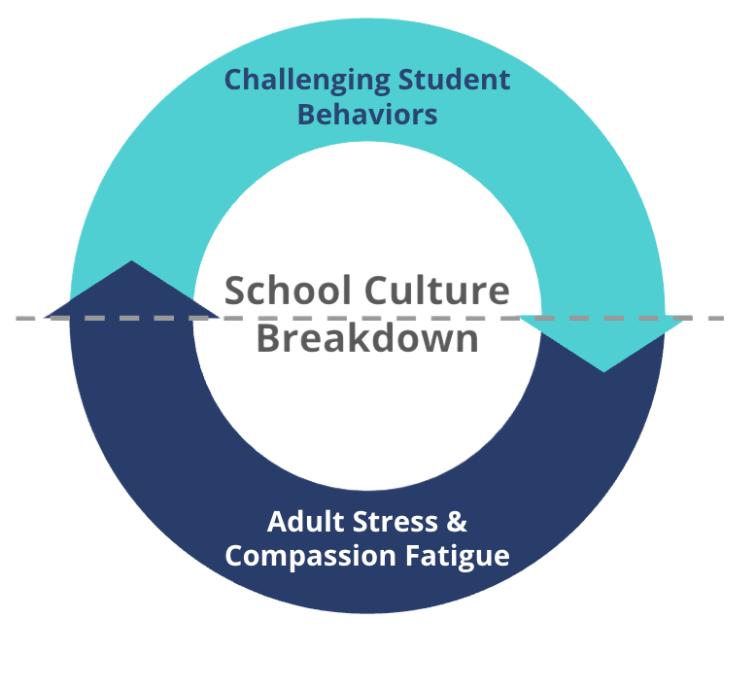
This work is essential, but the emotional demands can take a toll, contributing to stress and compassion fatigue. When educators are overwhelmed, it becomes harder to provide students with the consistent care and connection they need. Over time, that strain can affect not only individual relationships but also the overall health of a school’s culture.
At Sown To Grow, we believe supporting student well-being shouldn’t mean adding another burden to teachers’ days. In fact, the practices that help students feel seen and connected can also help educators find greater meaning and fulfillment in their work.
Teacher well-being and student connection are intertwined.
New research reinforces how closely teacher success is tied to student connection.
Vivi and FullScale’s 2026 Global Teacher Insights Report surveyed nearly 2,000 educators across four countries to understand what helps teachers feel successful and what keeps them in the profession. One finding stood out across two years of research: teachers who feel most successful are connected to their students, see students engaged in learning, and see evidence of their growth.
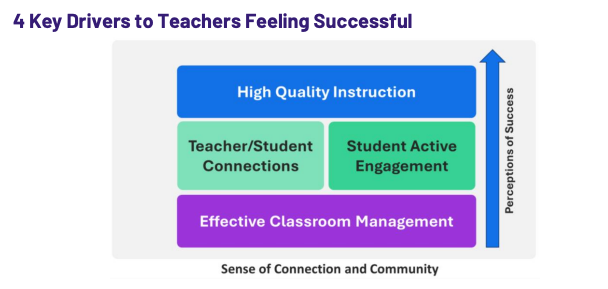
In other words, connection isn’t just good for students. It matters to teachers too.
The report also found that only 8% of teachers in their first two years describe themselves as extremely successful, compared with 48% of teachers with six to eight years of experience.
These findings raise an important question for school leaders: How can we create conditions that help teachers experience the connection, engagement, and student progress that make their work meaningful and sustainable?
Self-care doesn’t always mean doing less. Sometimes it means having better tools.
Teacher self-care is often framed as something educators need to find time for outside of their work: exercise, meditation, boundaries, rest.
Those practices can be valuable. But there’s another opportunity to support teacher well-being within the school day itself: making it easier to understand and respond to students’ needs.
A teacher looking out at a classroom of 25-30 students may wonder: Who’s having a hard day? Who feels like they don’t belong? Who needs encouragement? Who might be struggling in ways that aren't apparent from their academic performance alone?
Educators can't always see the full picture through observation alone, especially when they're balancing competing demands. When students' needs go unnoticed, early signs of distress may be missed, and concerns become harder to address.
Giving teachers a manageable way to understand what students are experiencing can help them recognize when support is needed and respond more effectively. Rather than relying on educators to notice every concern on their own, schools can create consistent opportunities for students to share how they're doing.
A small check-in can create a meaningful connection.

Small moments of connection are part of what makes teaching meaningful. Noticing when a student needs encouragement, helping them work through a difficult day, or seeing them feel more confident can remind educators why they chose this profession in the first place. Teachers shouldn’t have to choose between managing their work and building those relationships.
Sown To Grow gives students a consistent, weekly opportunity to reflect and share how they’re doing. These regular check-ins help educators identify patterns in student well-being and recognize when a student may need additional attention or support.
The practice is designed to be low-lift. Rather than asking educators to launch another program or adopt a complicated routine, Sown To Grow helps them incorporate reflection and connection into their existing school day.
This matters because connection itself appears to be an important part of teachers’ sense of success. As Beth Holland, Managing Director of Research & Policy at FullScale, explained, the research aims to identify the conditions that support teachers’ “classroom management, connection, effective practice, and safety.”
Those aren’t separate from student well-being. They reinforce it.
When a student regularly has an opportunity to say, This is how I’m doing, and knows that an adult is paying attention, it sends an important message:

You are seen. You matter here.
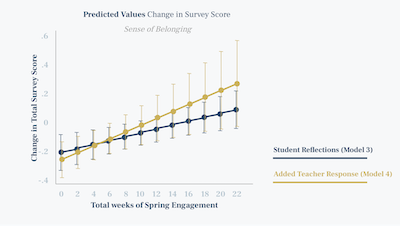
Those moments help create the conditions for belonging. They also give educators more opportunities to understand their students, respond to their needs, and experience the relationships that make teaching rewarding.
Caring for students and supporting educators aren't competing priorities. The same practices that help students feel seen, supported, and connected can also make teaching more meaningful and sustainable. When schools invest in connection, they strengthen the well-being of everyone in the school community.