Supporting Schools Beyond Day One


Education isn’t typically considered an “easy” career. There’s curriculum, relationship building, leadership, and a thousand other spinning plates. But the technology piece, that should come easy, right? Children often know how to use a tablet or phone before they fully understand what it is. Adults have either grown up with the World Wide Web or been around long enough to pick up a thing or two. So when a school rolls out a new EdTech platform, it can seem deceptively simple. Students pick it up, teachers follow, and that’s that.
The truth is, it's never that simple. And assuming it is may be the first mistake.
I could spend this article walking through the logistics of a successful rollout (we actually do have a checklist if you’re interested). However, a successful rollout requires more than a checklist of the Who, What, When, Where, and How. It means making sure everyone understands how a new tool fits into their daily routines, why it matters, and what happens next.

Implementation Starts With Why
If implementation isn't just implementation, what exactly is it? It starts with the Why. When it comes to SEL and MTSS, that Why matters even more.
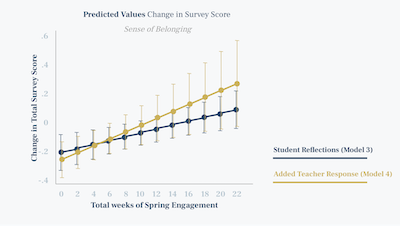
Sown To Grow prompts students to share how they're feeling. That's a powerful starting point, but only if the adults in the building are ready to listen and respond. A student who shows vulnerability in a reflection, only to be met with silence, will eventually stop talking into the void.
Teachers need to understand why they're asking students to open up. Students need to know why they're being asked to share, who's going to see their responses, and what happens afterward. Building that trust is part of implementation too.
Designing an Intentional and Holistic Rollout
A holistic rollout starts before the first student logs in: aligning on the school's vision, defining roles, and building buy-in so staff hear the why before they hear the how.
Even experienced educators need support translating new initiatives into daily practice. Consider how a teacher might respond when a student shares that their dog died or that they had to skip dinner the night before. Staff need to know how to respond and where to turn when a disclosure raises concerns or feels emotionally heavy.
That's why teacher training at Sown To Grow includes opportunities to practice responding to student reflections. Responding to emotional disclosures is a skill, and like any muscle, it gets stronger with practice.
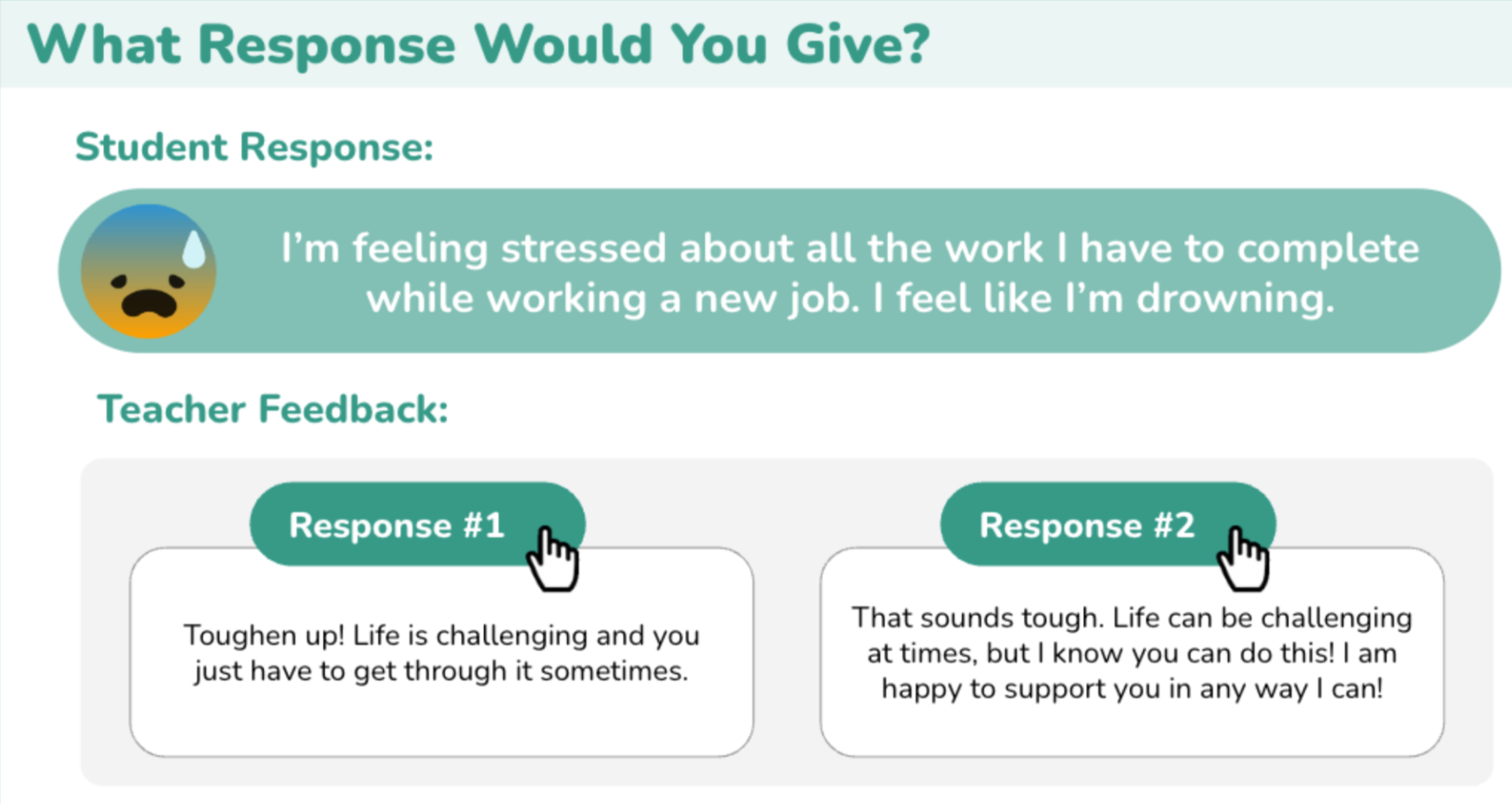
But preparation shouldn't end with start-of-year training. Ongoing coaching lets support evolve with a school's real experience, giving educators chances to workshop responses and build confidence over time.
Beyond Day One: What Next?
Sown To Grow is a piece of the larger student support puzzle. Our platform can surface needs, but people are the ones who take action. It may, for example, reveal that a number of students feel they don't have a trusted adult. What happens next is the human connection piece. Now that you know, what do you do to strengthen those relationships?
It starts with sustained connection. Weekly check-ins help schools keep a pulse on their students and identify those who may benefit from Tier 2 or Tier 3 support. From there, schools can respond in many ways: roundtables with counseling teams to coordinate support, protected time for teacher planning and professional development, or simply checking in with the school social worker.
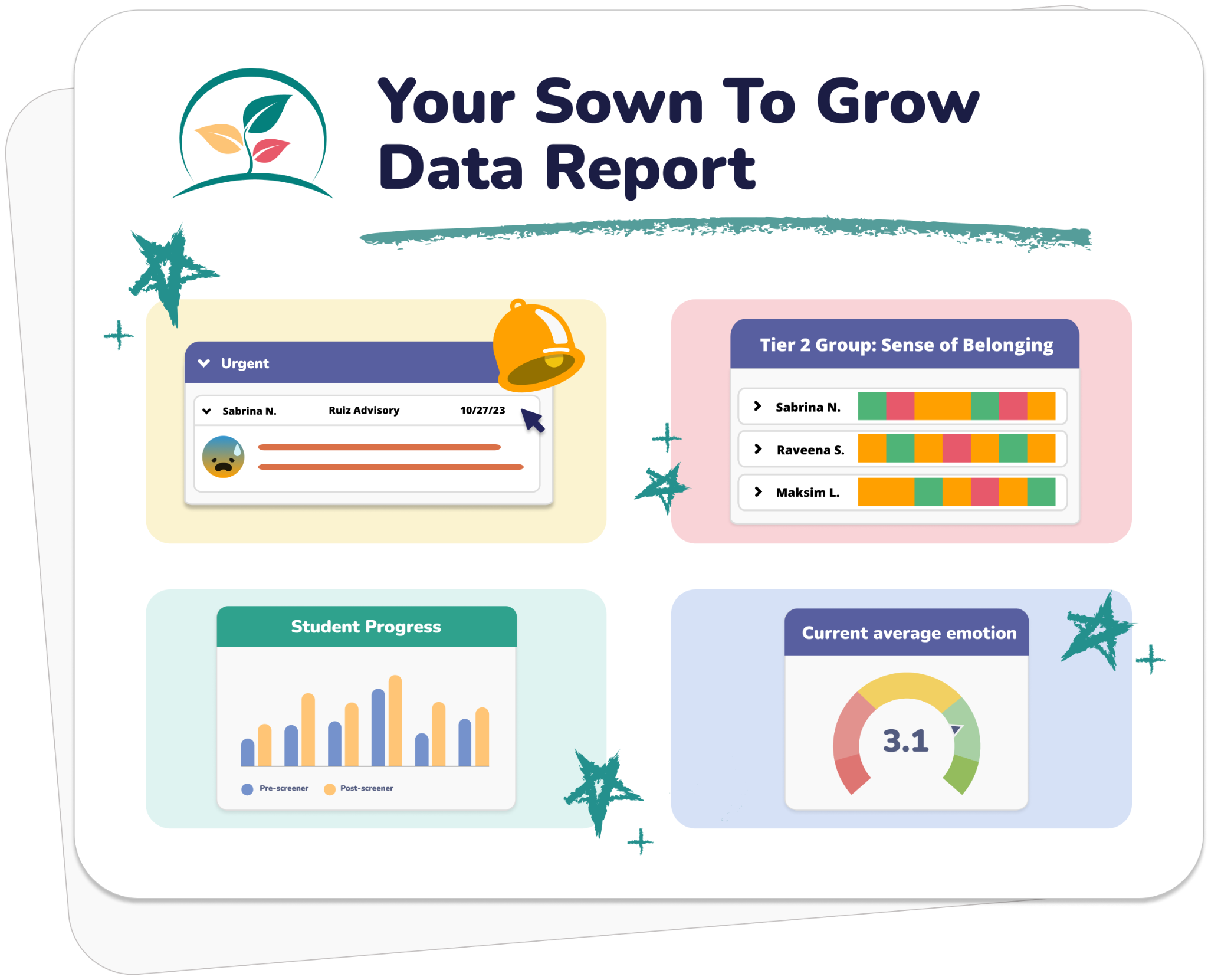
Our team also regularly meets with district and school administrators to review well-being trends, identify students who may need additional support, and look at how consistently teachers are responding to reflections. These conversations create opportunities to make adjustments mid-year rather than waiting until the end of the year to evaluate what’s working. At year’s end, we reflect on progress and plan next steps.
Educators are often reminded that you cannot pour from an empty cup. But that principle applies to everyone in the school community, from students to administrators. Building systems of support throughout the school helps an initiative become part of the culture rather than just another item on the to-do list.
The Role of a True Technology Partner
Having worked with schools implementing new initiatives, I've seen how easily the training piece can be reduced to the technological basics. Maybe that's what's expected of EdTech vendors. But all of our trainers are former educators. They understand that teachers aren't just implementing another platform. There's more to it than "click here" and "type there."
They're passionate about making sure the people on the ground doing the work for students are recognized, supported, and celebrated. Our goal is to help administrators leave trainings prepared to bring that same support back to their own teams, with new ideas for how to show up for their school communities.
That's the difference. We stick with you. Every school moves along an implementation journey, from launch to emerging consistency, schoolwide consistency, and strong practice. Leaders can see where they are in that journey right in the platform, and Sown To Grow provides guides and toolkits designed to help them take the next step. It's a progression from simply getting started to embedding consistent practices across a school and continually strengthening student support.
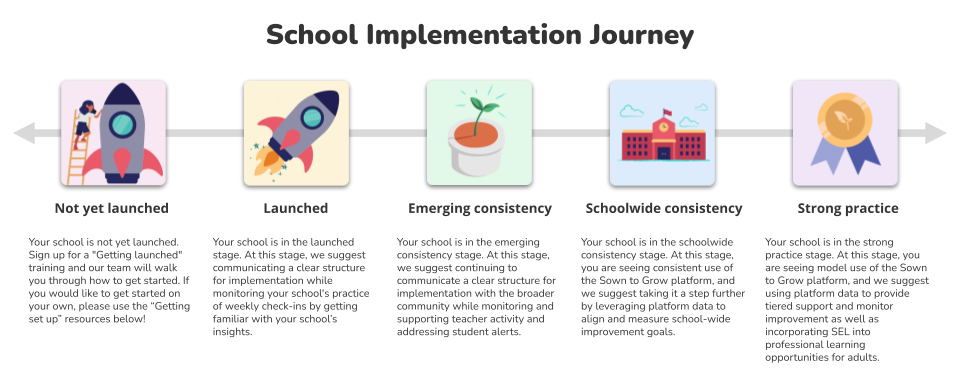
Along the way, we're actively invested in helping schools move forward through strategic planning, ongoing coaching, data reviews, and a community of practice with peers doing similar work. We bring the expertise, resources, and continued support to help educators turn a new tool into lasting practice.
Because technology alone doesn't change schools. The people using it do. Our job is to make sure those people have the knowledge, tools, and confidence to do their best work for students.
Every student seen.