Finding Their Voice: How Vox Collegiate Makes Space for Every Middle Schooler to Be Heard


Middle school is a season of big changes. Students in grades 6–8 are forming their identities, feeling new social pressures, and wanting to belong with their peers more than almost anything else. At Vox Collegiate in South Los Angeles, educators keep those needs front and center. They've built a student support system that meets kids where they are.
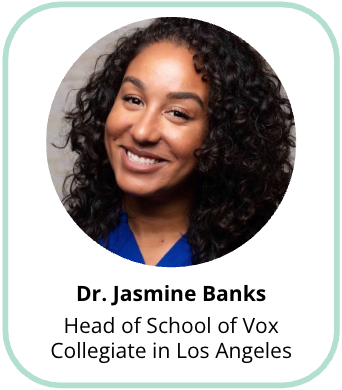
Dr. Jasmine Banks has served as Head of School since 2020. She says the secret isn't a single program. It's the people.
"I think the reason why we've been so successful is definitely because of the team that we have. Everyone is very aligned on being student-centered and working together to better understand our kiddos, their needs, their wants, their desires, or maybe also some of the challenges that they’re experiencing."
That alignment shapes every tool Vox chooses. Dr. Banks wants everything "speaking the same language," so each platform has to fit the school's mission and vision.
Sown To Grow reached out to Vox and helped the school apply for a Community Schools grant, which Vox won. Dr. Banks shared that the grant helped strengthen and sustain practices the school was already committed to, while also making it possible to create the Vox Peak, a dedicated wellness room on campus designed to benefit students, staff, and the broader school community.
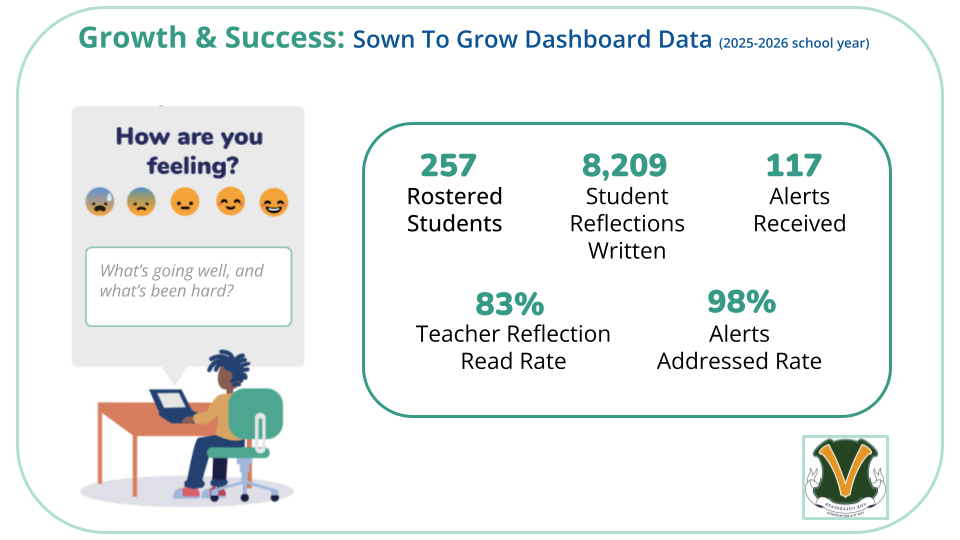
Today, Sown To Grow is built into Vox's daily 45-minute homeroom. Its lessons fit alongside the school's existing curriculum, and every Wednesday students complete a weekly emotional check-in.
"Hey, I See You"
At first, some students skipped the check-ins or treated them as one more box to check. That changed once teachers started acting on what students shared. They brought insights back into the classroom, added supports, and followed up with students in person. Students began to see that someone was reading, and it wasn't to "get the tea."
"It's a way to be like, hey, I see you, I want to understand more, and I want to support you so that you don't feel so stuck."
The check-ins changed the adults, too. When a student is struggling, their reflection often explains why.
"There's that empathy there. There's also just a reminder that we're all people, too. We all have emotions and needs and feelings, and I think it's also helped our team to check in with themselves."
A Team That Catches Every Signal
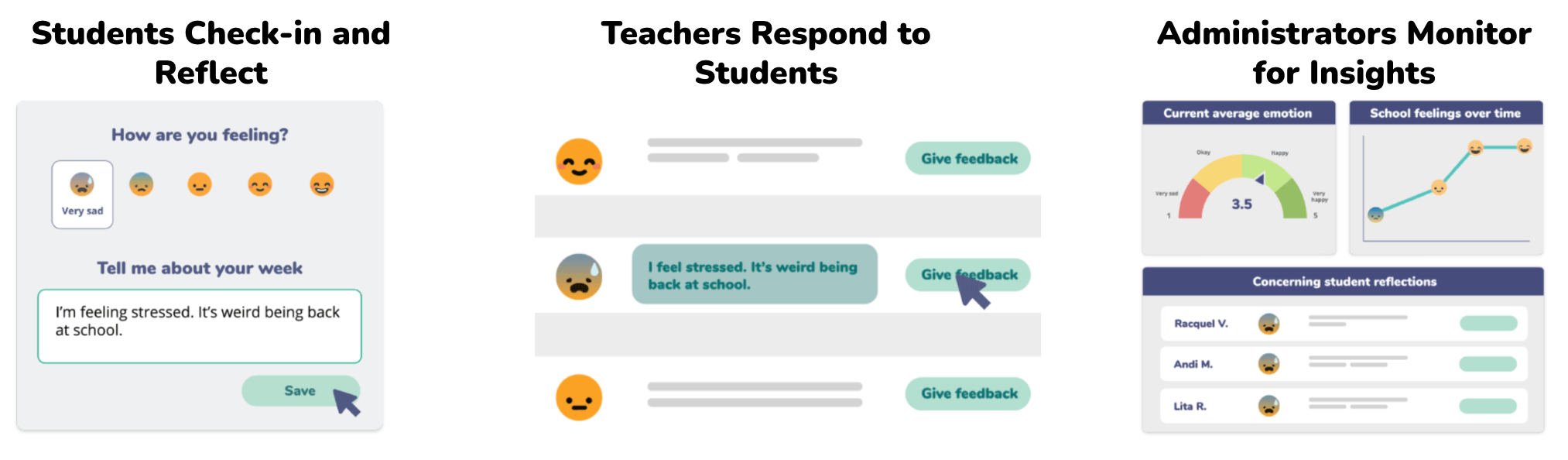
Vox has built a clear system for acting on what students share:
- Homeroom teachers are the first to read and respond to their students' reflections.
- Concerning alerts are routed to the Dean of Culture or Culture Assistant for triage.
- The weekly Student Support Team reviews patterns and decides on next steps. The team includes both culture leaders, the counselor, the community school coordinator, and the Managing Director of Special Education.
Depending on what students need, follow-up might include individual check-ins, reset cards that allow students to request a break, counseling, or peer-to-peer support.
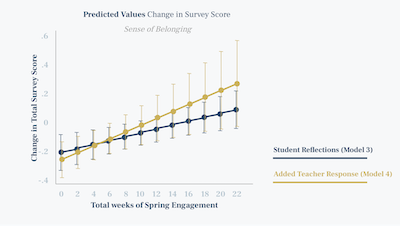
Sown To Grow's pre- and post-surveys have added data to what the team already sensed. Belonging has always been a strength at Vox, and now leaders can see it in numbers. The surveys also showed that students feel stressed about rigorous coursework and the move to high school. In response, teachers have added more movement, "wiggle breaks," and ways to celebrate students when they persevere.
Looking Ahead: Bringing Families In
In year three of their community schools grant, Dr. Banks hopes to bring families further into the work by giving them a firsthand look at what happens during homeroom and inviting them to help shape what comes next.
"Sharing the survey results with our families, too, and saying, 'Hey, here's where we're doing really well, here's what we're going to focus on, and here's what we're going to do to support that.'"
At Vox, voice means more than being heard. It means naming feelings, expressing needs, and working through conflict in healthy ways. With Sown To Grow built into the school day, students practice those skills every week and know someone is listening. By extending that same emphasis on voice and participation to families, Vox is working toward a school community where students, families, and educators collaborate to support one another and foster a deeper sense of belonging.